

back

The introduction of Nickel-Titanium (NiTi) alloys revolutionized endodontics, offering instruments with remarkable flexibility and shape memory. However, even the most advanced endodontic niti files are susceptible to sudden, unpredictable fracture, primarily due to two distinct physical mechanisms: Cyclic Fatigue and Torsional Stress. Cyclic fatigue occurs when the file is repeatedly subjected to tension and compression as it rotates within a curved canal, eventually leading to micro-cracks and material failure. Torsional stress occurs when the file's tip or a segment locks in the canal while the motor-driven shank continues to rotate, exceeding the file's elastic limit and causing immediate shearing. Understanding these failure modes is the first step toward effective prevention, which is why our company, NIC Dental, focuses equally on metallurgy and procedural guidelines to support the clinician. Our heat-treated NiTi files are engineered to enhance fracture resistance, while our clinical resources emphasize proper glide path preparation and motor parameter optimization. By combining advanced material science with practical best practices, we empower dentists to minimize failure risks and deliver safer, more reliable endodontic care.
Establishing the Necessary Glide Path and Access
One of the most effective ways to prevent both torsional and cyclic failures in endodontic niti files is to ensure a smooth, unobstructed pathway, known as the glide path, before engaging the powered instrument. A proper glide path, typically created using small hand files (size 8 or 10) or specialized endodontic niti files for pathfinding, minimizes resistance and prevents the file tip from binding prematurely. Furthermore, adequate coronal flaring—straight-line access—reduces the amount of curvature the file is subjected to in the coronal and middle third of the canal. This single step dramatically reduces the bending moments on the file, lowering the risk of cyclic fatigue and making the entire shaping process safer and more predictable.
Leveraging Advanced Metallurgy and Single-Use Protocols
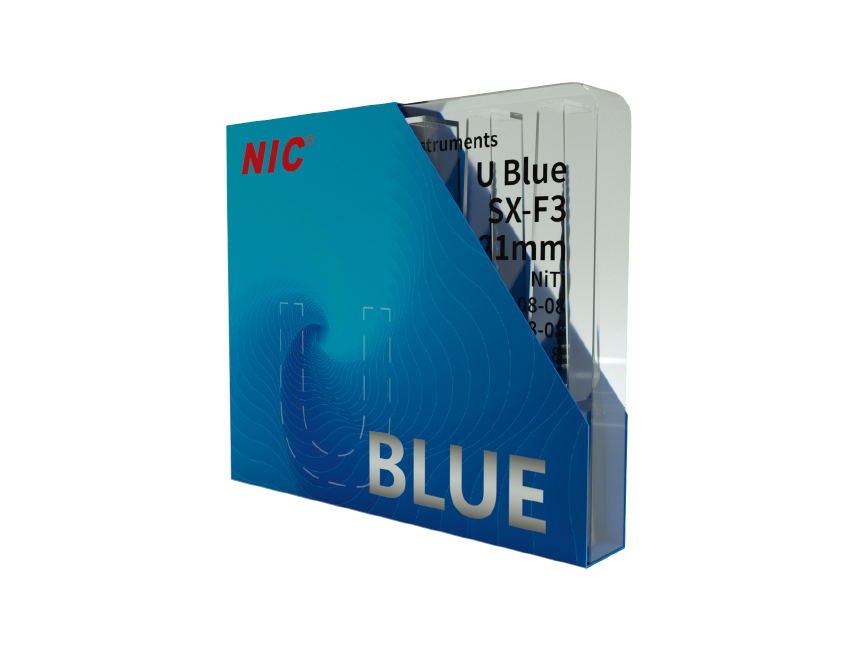
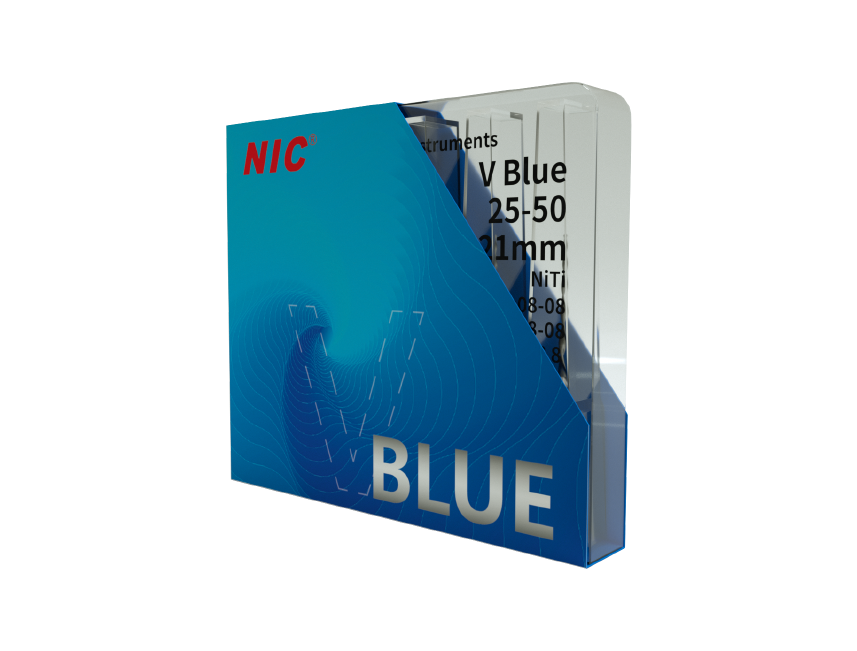
The greatest advancements in fracture prevention have come from material science. NIC Dental utilizes specialized heat-treated alloys in our endodontic niti files—such as Controlled Memory (CM) NiTi—which alters the crystalline structure of the metal. Files made from these advanced alloys, like our U Blue or V Blue systems, exhibit superior flexibility and significantly enhanced resistance to cyclic fatigue compared to conventional NiTi instruments. Another critical preventive measure is the single-use protocol. Although advanced files can technically withstand multiple uses, the accumulation of microscopic stress cycles is invisible to the naked eye. Discarding files after a single patient use eliminates the unpredictable factor of cumulative fatigue.
Optimizing Motion and Technique with the Reciprocating Endodontic File
Choosing the right kinematic motion plays a pivotal role in reducing stress. Clinical studies have consistently shown that the reciprocating endodontic file systems offer superior resistance to cyclic fatigue compared to continuous rotary systems. The alternating, balanced rotation motion characteristic of the reciprocating endodontic file reduces the strain placed on the metal at the point of maximum curvature, extending the lifespan and enhancing the safety of the instrument. When using any engine-driven file, including the reciprocating endodontic file, the operator must use a light "pecking" motion with minimal apical pressure. Forcing the file or maintaining static pressure should be strictly avoided, as this immediately creates torsional stress, particularly in the apical third.
Proper Equipment Settings and Maintenance
Preventing file separation also depends on the correct use of the endodontic motor. Every endodontic NiTi files system, whether rotary or reciprocating, is designed to operate within a specific range of speed (RPM) and torque (N·cm) recommended by the manufacturer. Using settings outside of these parameters—especially excessive speed—can hasten cyclic fatigue. Our company ensures that the specifications for our engine files are clearly defined, and we advise partners to use modern, torque-controlled motors with an auto-reverse function. This safety feature automatically stops or reverses the file's rotation if a pre-set torque limit is exceeded, effectively preventing the torsional stress that leads to immediate fracture.
The Role of Lubrication and Debris Management
The final, yet frequently overlooked, step in preventing file fracture is effective lubrication and debris management. Working in a "dry canal" significantly increases friction between the endodontic niti files and the dentinal walls, immediately raising the risk of torsional binding. Copious irrigation with a lubricating agent, such as Sodium Hypochlorite (NaOCl) or EDTA, throughout the procedure is mandatory. Furthermore, the clinician must remove the file frequently from the canal to inspect and clean the flutes. Packed dentin debris between the flutes effectively turns the file into a solid instrument, massively increasing friction and the potential for separation. This regular cleaning protects the instrument and maintains its cutting efficiency. NIC Dental provides high-quality instruments designed for efficient debris removal, but user technique is paramount. Our files feature optimized flute designs to channel debris away during shaping, complementing proper irrigation practices. By integrating premium instrument design with vigilant debris management, clinicians can further mitigate fracture risks and ensure smooth, successful canal preparation.