

back

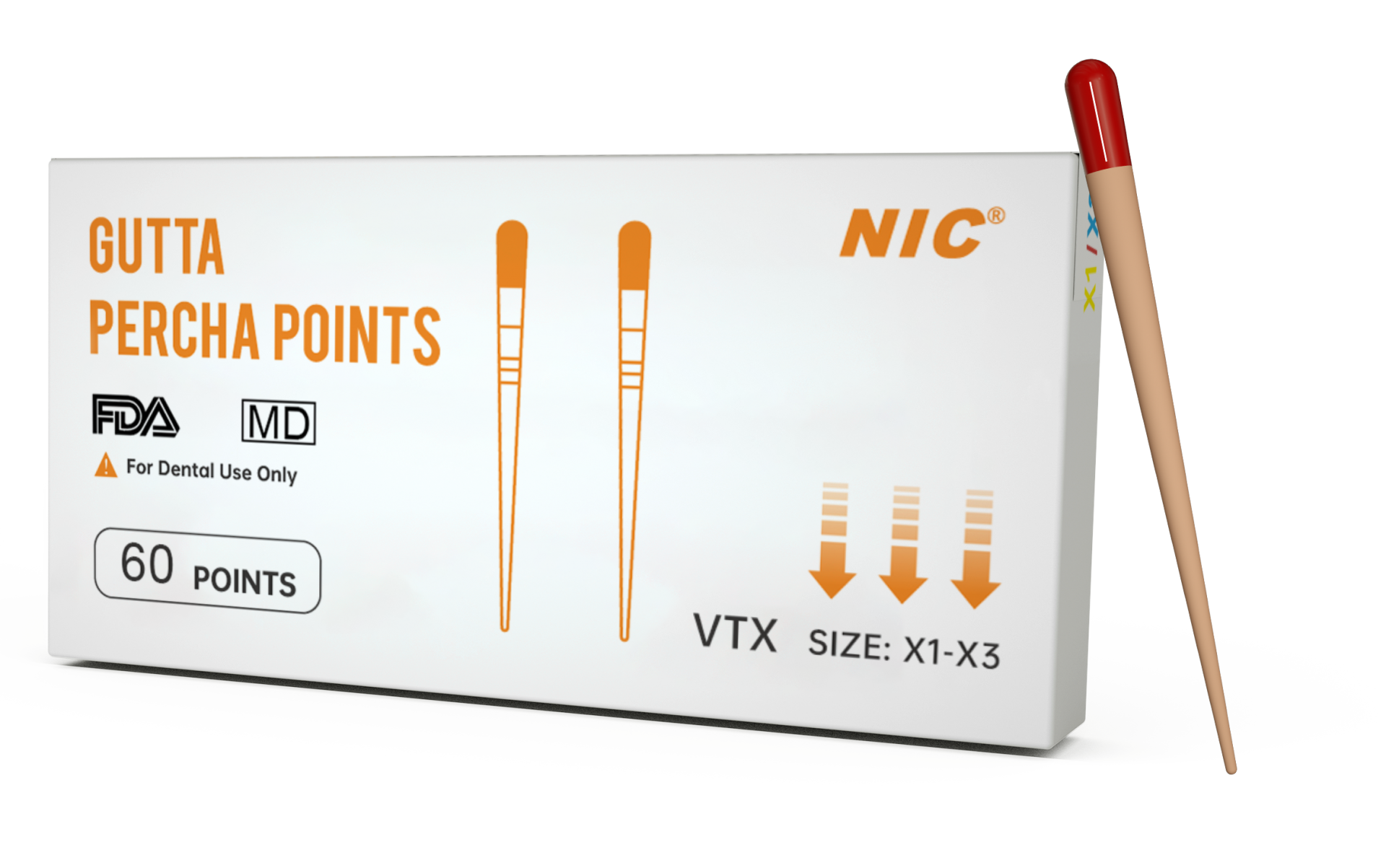
Obturation—the three-dimensional sealing of the root canal system—is the final and critical step in endodontic treatment, preventing microbial leakage and ensuring long-term success. While basic cases may tolerate simpler techniques, complex root canal anatomy, characterized by lateral canals, accessory foramina, and significant irregularities, demands highly adaptive obturation materials. The best material is universally recognized as the combination of a core material and a flowable sealer. Our company, NIC Dental, provides premium obturation materials, including precision-made gutta percha point systems, designed to achieve maximum density and hermetic sealing, even in the most challenging cases encountered by clinicians. Our gutta percha points feature consistent diameter and thermoplastic properties, ensuring optimal adaptation to canal walls when paired with our biocompatible sealers. This synergistic system fills intricate anatomical spaces thoroughly, minimizing microleakage risks and supporting durable, long-lasting treatment outcomes for patients.
The Indispensable Role of the Gutta Percha Point Core Material
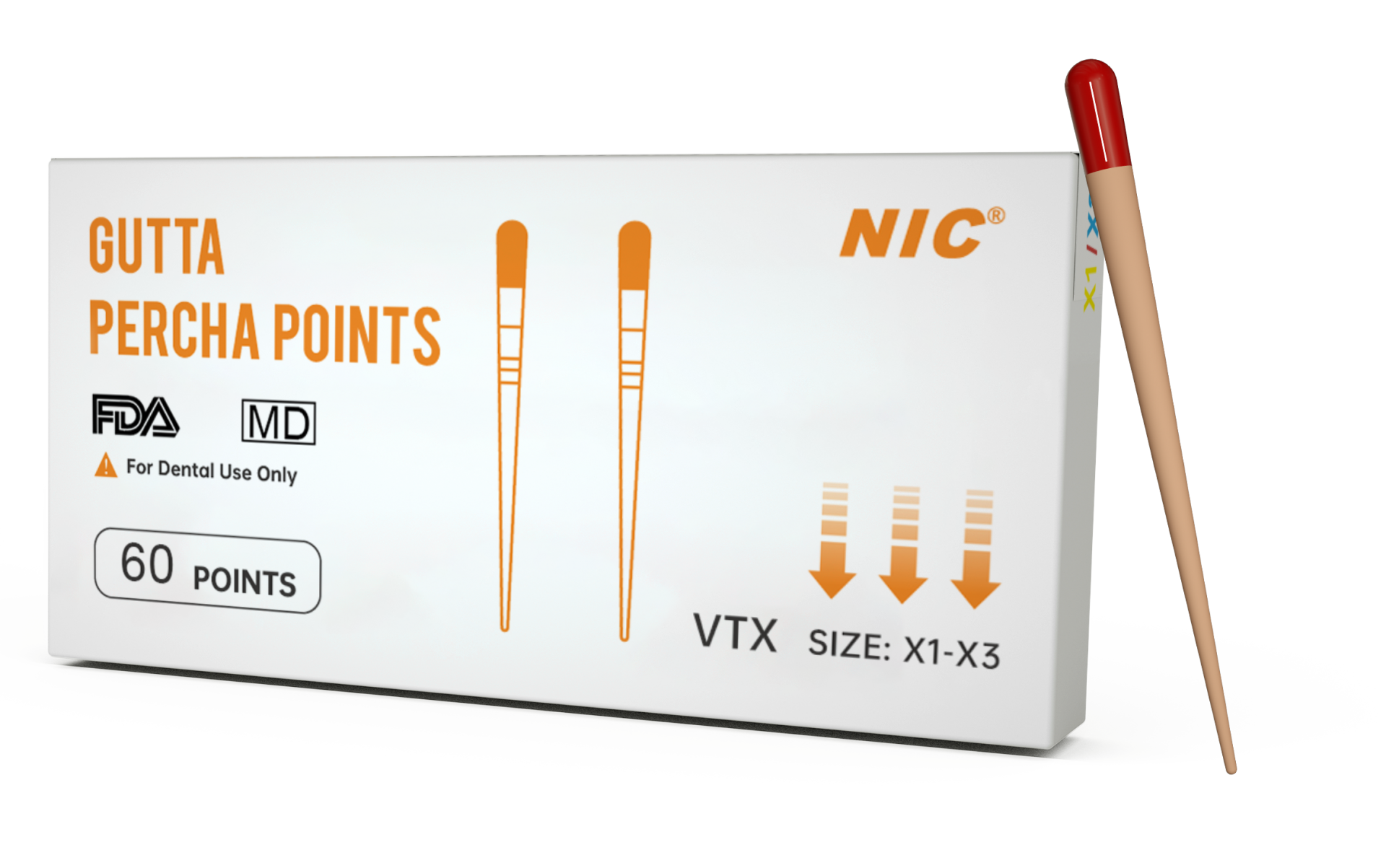
The gutta percha point remains the gold standard core material in endodontics due to its biocompatibility, dimensional stability, and ease of removal if retreatment is required. For complex sealing, the gutta percha point must be able to adapt intimately to the prepared canal shape. Our company, NIC Dental, ensures our points are machine-made, guaranteeing superior precision and size consistency compared to traditionally handmade varieties. This ensures an identical match to the final shaping file (e.g., ISO standard sizes and tapers), which is essential for achieving a high-density fill, especially when using warm vertical compaction techniques to flow the material into lateral irregularities. Our precision-engineered points maintain structural integrity during compaction, while their uniform composition ensures optimal flow and adaptation to canal walls. Paired with our compatible sealers, they create a hermetic barrier against microbial intrusion, reinforcing long-term treatment success and solidifying our commitment to delivering reliable endodontic solutions.
The Importance of Material Properties for Complex Sealing
For complex anatomy, the sealer component of the obturation materials is arguably the most crucial element, as it fills the microscopic voids and accessory canals that the solid core material cannot reach. Traditionally, zinc-oxide eugenol or epoxy resin-based sealers have been used. However, modern endodontics increasingly favors bioceramic sealers. These advanced hydraulic obturation materials are highly biocompatible, exhibit excellent adhesion to dentin, and, most importantly, have low viscosity and superior flowability, allowing them to penetrate intricate lateral and accessory canal systems effectively. The successful sealing of these complex spaces is directly dependent on the sealer's ability to create a hermetic bond with the dentin walls. Our NIC Dental bioceramic sealers further enhance this performance with antimicrobial properties and dimensional stability, resisting shrinkage over time to maintain long-term sealing integrity. By prioritizing these critical material attributes, we empower clinicians to address even the most challenging anatomies with confidence, ensuring comprehensive protection against microleakage and supporting enduring treatment success.
Optimizing Flowability and Adaptability for Irregularities
The ability of obturation materials to flow into the complex, irregular morphology of the root canal is paramount for a successful seal. Techniques like Warm Vertical Compaction (WVC) are specifically designed to leverage the thermoplastic properties of the gutta percha point. By heating the material, the GP softens, allowing it to be condensed both vertically and laterally, forcing it, along with the thin sealer film, into lateral canals and fins. This technique, when combined with a highly flowable sealer, drastically enhances the fill density compared to cold lateral condensation, offering a predictable solution for sealing the non-main canal anatomy that defines complex cases.
The Advantage of Hydraulic and Bioceramic Obturation Materials
Bioceramic sealers offer a unique advantage as obturation materials because they require moisture to set and often exhibit slight expansion upon setting. This property is highly beneficial in complex canals, as the expansion helps compensate for potential polymerization shrinkage of the sealer and enhances the seal's integrity at the apical terminus and along the canal walls. Our company emphasizes the importance of pairing a perfectly sized gutta percha point with these advanced hydraulic sealers. This combination ensures that the entire root canal system—including all the complex accessory anatomy—is sealed with a material that promotes a favorable healing environment and resists bacterial penetration.
NIC Dental: Commitment to Precision in Obturation Systems
Choosing the best obturation materials is about selecting systems that offer dimensional accuracy and proven biocompatibility. NIC Dental commits to providing products that meet the highest standards, ensuring our gutta percha point products, alongside compatible sealers and delivery systems, offer the reliability needed for complex clinical cases. Our focus on precision, from the instruments used to shape the canal to the final obturation materials used to seal it, ensures that our distribution partners can supply dental professionals with solutions that deliver predictable, successful long-term outcomes for all endodontic treatments. Each component undergoes rigorous quality testing to guarantee consistent performance and seamless integration, from canal preparation to final sealing. Backed by our decades of endodontic expertise, we empower partners to meet clinicians’ demands for trustworthy obturation systems, reinforcing confidence in every step of the treatment journey.