

back

The success of any root canal procedure hinges not on the final obturation, but on the meticulous canal preparation that precedes it. Proper preparation involves a complex series of clinical steps designed to ensure complete elimination of infection, access to the entire canal system, and the creation of an ideal shape for final sealing. This process requires superior instruments and strict adherence to protocol. At our company, NIC Dental, we recognize that clinicians need reliable instruments, such as the advanced reciprocating endodontic file, to execute these demanding steps. Our focus is to provide the quality that ensures every practitioner can confidently approach even the most complex root canal therapy.
Phase One: Precise Diagnosis and Working Length Determination
The initial phase of preparation involves comprehensive diagnostics. This includes reviewing high-quality radiographs and utilizing an electronic apex locator to accurately determine the working length of each canal. Accurate working length determination is crucial, as errors here can lead to under-instrumentation (leaving infected tissue) or over-instrumentation (potentially irritating periapical tissues). This critical information guides every subsequent step of canal preparation. Once the working length is established, the clinician moves quickly to isolate the tooth, ensuring a sterile field is maintained throughout the procedure to prevent bacterial contamination—a non-negotiable step in the preparation protocol.
Phase Two: Achieving Asepsis and Optimal Access Cavity Preparation
Rigid asepsis, achieved through the placement of a rubber dam, is mandatory to prevent oral contaminants from entering the clean operating field. Concurrent with this, the access cavity must be precisely executed to provide straight-line access to the canal orifices. Improper access creates unnecessary curvature at the coronal third of the tooth, subjecting instruments—even flexible ones like a reciprocating endodontic file—to damaging stress that can lead to premature failure. Our company provides a full range of high-quality burs designed to help clinicians achieve conservative yet effective straight-line access, thus mitigating risk before the mechanical canal preparation even begins.
Phase Three: Establishing the Essential Glide Path
Before engaging any powerful engine-driven file, an essential preliminary step of canal preparation is the establishment of a smooth, patent glide path. The glide path is a small, clear passage that runs from the canal orifice to the working length, ensuring the subsequent instrument does not bind or lock unexpectedly. This step is typically achieved using small hand files (e.g., ISO sizes 8 and 10) or specialized mechanical glide path instruments. Failing to create this glide path significantly increases the risk of torsional fracture, even when utilizing modern, advanced files. This precursor step ensures that when the reciprocating endodontic file is introduced, it follows a predetermined, safe pathway.
Phase Four: Optimizing Instrumentation with the Reciprocating Endodontic File
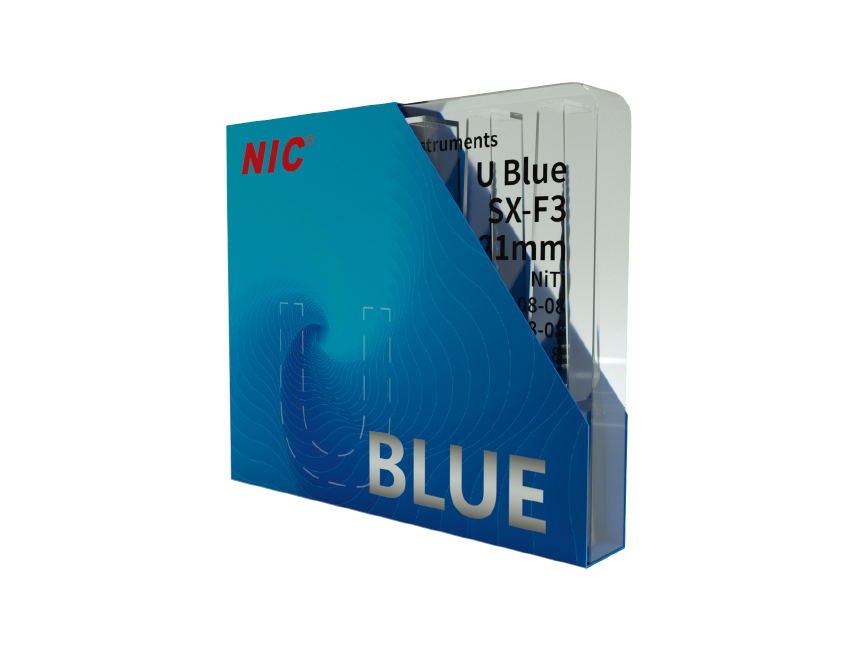
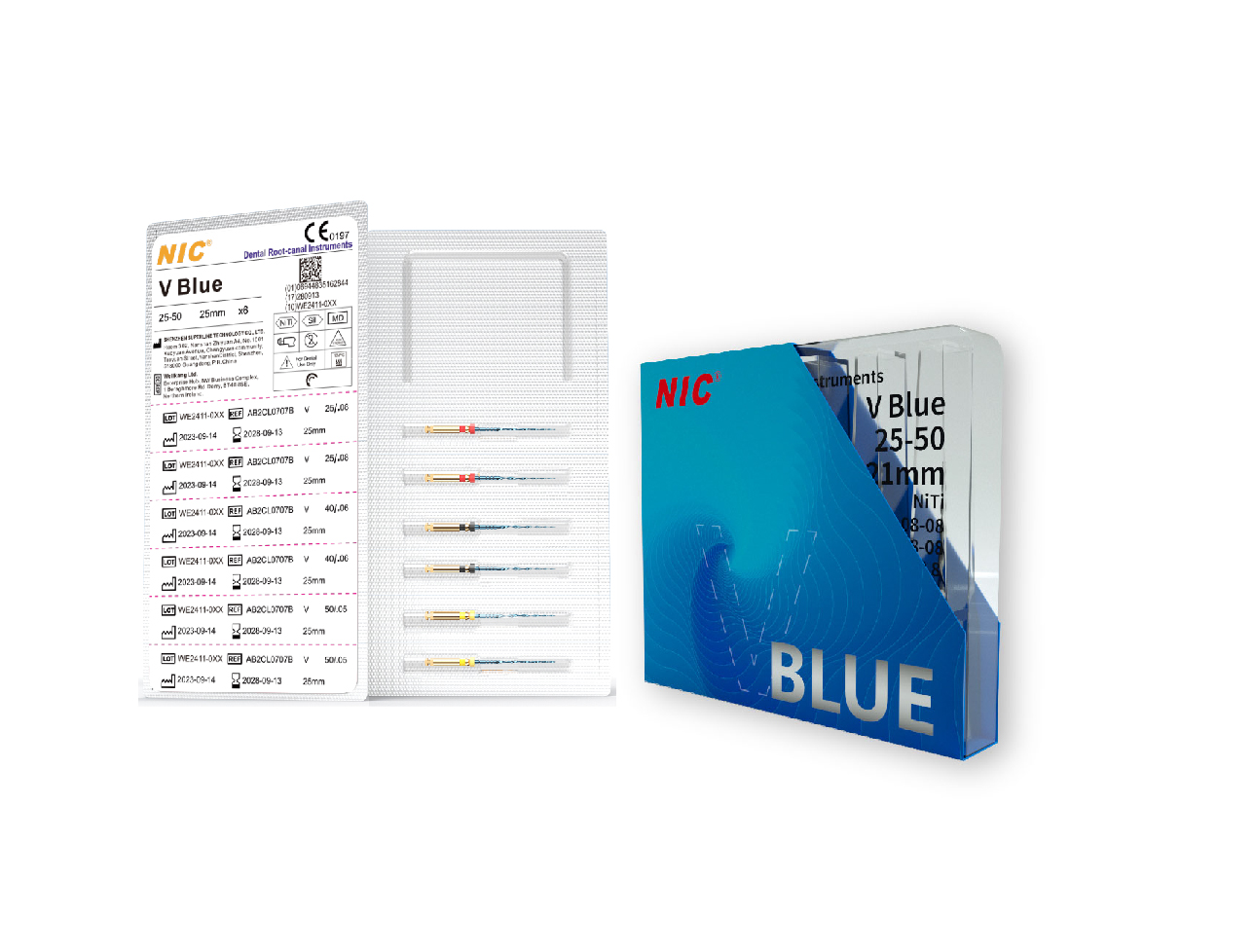
Once the access and glide path are verified, the focus shifts to mechanical instrumentation. The selection of the right system is paramount. Our company, NIC Dental, strongly promotes the use of single-file systems, such as our V BLUE reciprocating files, for efficient and safe canal preparation. These files, engineered from MaxTech 6.0 Ni-Ti alloy, are specifically designed to navigate challenging anatomies. The alternating reciprocating motion drastically reduces the stress on the file compared to continuous rotary movement, making it a safer option for shaping the canal and preparing it for final obturation. The precision engineering we employ ensures that our instruments perform reliably throughout this critical phase.
Phase Five: Continuous Irrigation and Debris Management
A successful root canal procedure depends as much on cleaning as it does on shaping. Throughout the mechanical canal preparation process, copious irrigation is essential. The irrigant solution (such as sodium hypochlorite) serves dual purposes: to dissolve organic tissue and to flush dentinal debris out of the canal, preventing the debris from packing apically and increasing resistance on the file. Continuous irrigation and frequent file removal for cleaning are mandatory procedural steps. This management of the clinical environment is just as vital as the quality of the instrument itself, ensuring that even the specialized flutes of a reciprocating endodontic file remain clean and effective.
Conclusion: Partnering with NIC Dental for Predictable Outcomes
Preparing for a root canal procedure involves a meticulous, step-by-step clinical protocol where quality instrumentation dictates the final outcome. From accurate diagnosis to the final stages of canal preparation, success relies on a combination of excellent technique and reliable instruments. NIC Dental is dedicated to equipping dental professionals with high-performance endodontic solutions, including our acclaimed reciprocating endodontic file systems. By choosing NIC Dental as your partner, you ensure that every procedure benefits from instruments engineered for safety, efficiency, and clinical predictability. Our commitment to proprietary alloy innovation, rigorous global certifications, and comprehensive product lines—paired with unwavering quality control—delivers consistent performance that clinicians and distributors can trust implicitly. Backed by decades of endodontic expertise and a focus on partner-centric support, we stand as more than a manufacturer: we are a collaborative force empowering you to elevate patient care, streamline workflows, and achieve predictable, successful outcomes in every case.