

back

The evolution of mechanical canal shaping has moved rapidly from stainless steel hand files to continuous rotary instruments, and now includes the advanced technique of reciprocation. The reciprocating motion involves the NiTi rotary file moving in alternating directions (a smaller counter-clockwise angle followed by a larger clockwise angle), which effectively reduces the stress on the instrument and minimizes the risk of cyclic fatigue and fracture. As a premium manufacturer of endo rotary instruments, our company, NIC Dental, offers advanced reciprocating systems, such as our V and W series, designed to bring enhanced safety and efficiency to challenging clinical scenarios. The selection of the correct system for a specific case relies on understanding the interplay between the file's metallurgy, its design, and the complexity of the canal anatomy. Our V and W series leverage heat-treated NiTi alloys and optimized motion profiles, ensuring superior flexibility to navigate tortuous canals while maintaining cutting precision. Backed by rigorous clinical validation, these reciprocating systems streamline treatment workflows, empowering clinicians to tackle complex endodontic cases with confidence and consistent results.
Assessing Canal Anatomy: Curvature and Calcification
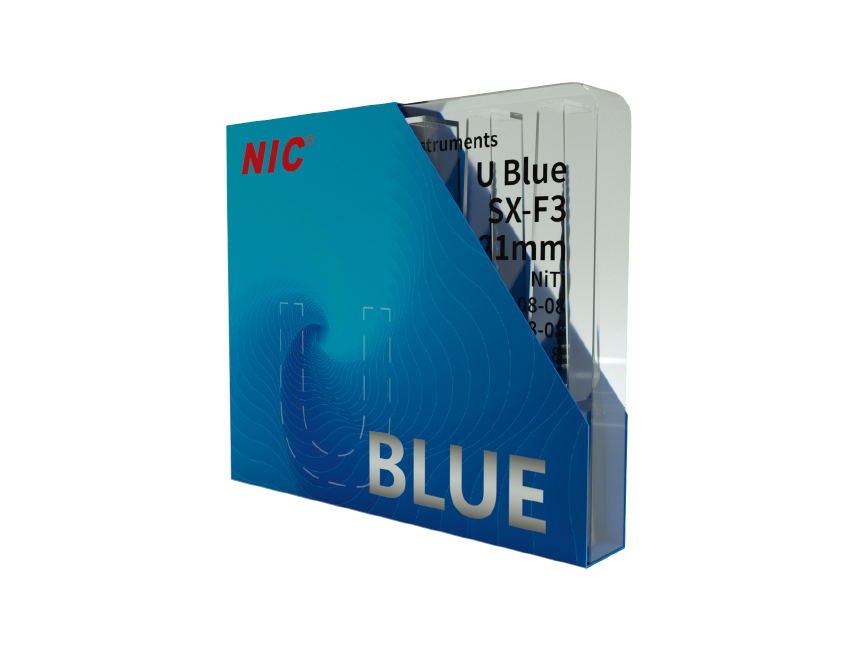
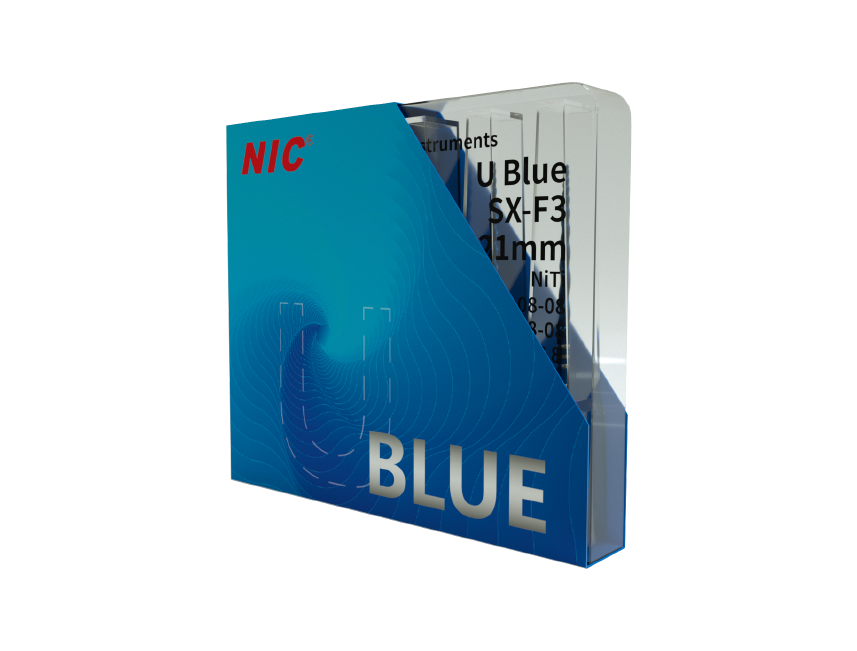
The primary factor dictating the choice of a reciprocating file system is the complexity of the root canal anatomy. For canals presenting with severe curvature or significant calcification, an instrument with maximum flexibility and fracture resistance is paramount. In these challenging cases, our company recommends using reciprocating systems made from advanced, heat-treated niti rotary file alloy, such as the V BLUE files. The controlled memory properties of this material allow the file to pre-bend and follow the canal’s path more closely than conventional NiTi, drastically reducing the risk of canal transportation or ledging. The flexibility provided by this advanced alloy ensures the clinician can achieve a clean shape even in the most tortuous anatomies.
The Critical Role of the NiTi Rotary File Metallurgy
Reciprocating files are differentiated less by their motion and more by the material properties imparted by the manufacturer's heat treatment. This advanced metallurgy is the core advantage of a modern niti rotary file. Systems that utilize proprietary thermal processing, like the files offered by NIC Dental, exhibit "Controlled Memory" (CM) effects. This means the file resists the tendency to straighten out a curved canal, a crucial feature in preventing file separation. When selecting a system, clinicians should look for confirmed data on cyclic fatigue resistance, as superior metallurgy directly translates to higher safety margins and allows for reliable single-file-per-case protocols, even in moderately curved canals.
Selection Based on Treatment Complexity: Primary vs. Retreatment
The clinical goal—whether it is primary treatment or retreatment—also dictates file choice. For primary cases, where the goal is simply to shape a healthy canal, a standardized, high-performance endo rotary system (such as the V series) is typically sufficient. However, for retreatment cases, where gutta-percha or other filling materials must be efficiently removed, specialized instruments are necessary. Retreatment files, often featuring non-cutting tips and unique fluting designed to engage old obturation material, are available in our engine-used endo rotary inventory. Our company, NIC Dental, ensures that our specialized reciprocating files for retreatment offer the necessary strength and debris-carrying capacity to streamline this often-difficult procedure.
Understanding File Size and Taper in the Reciprocating System
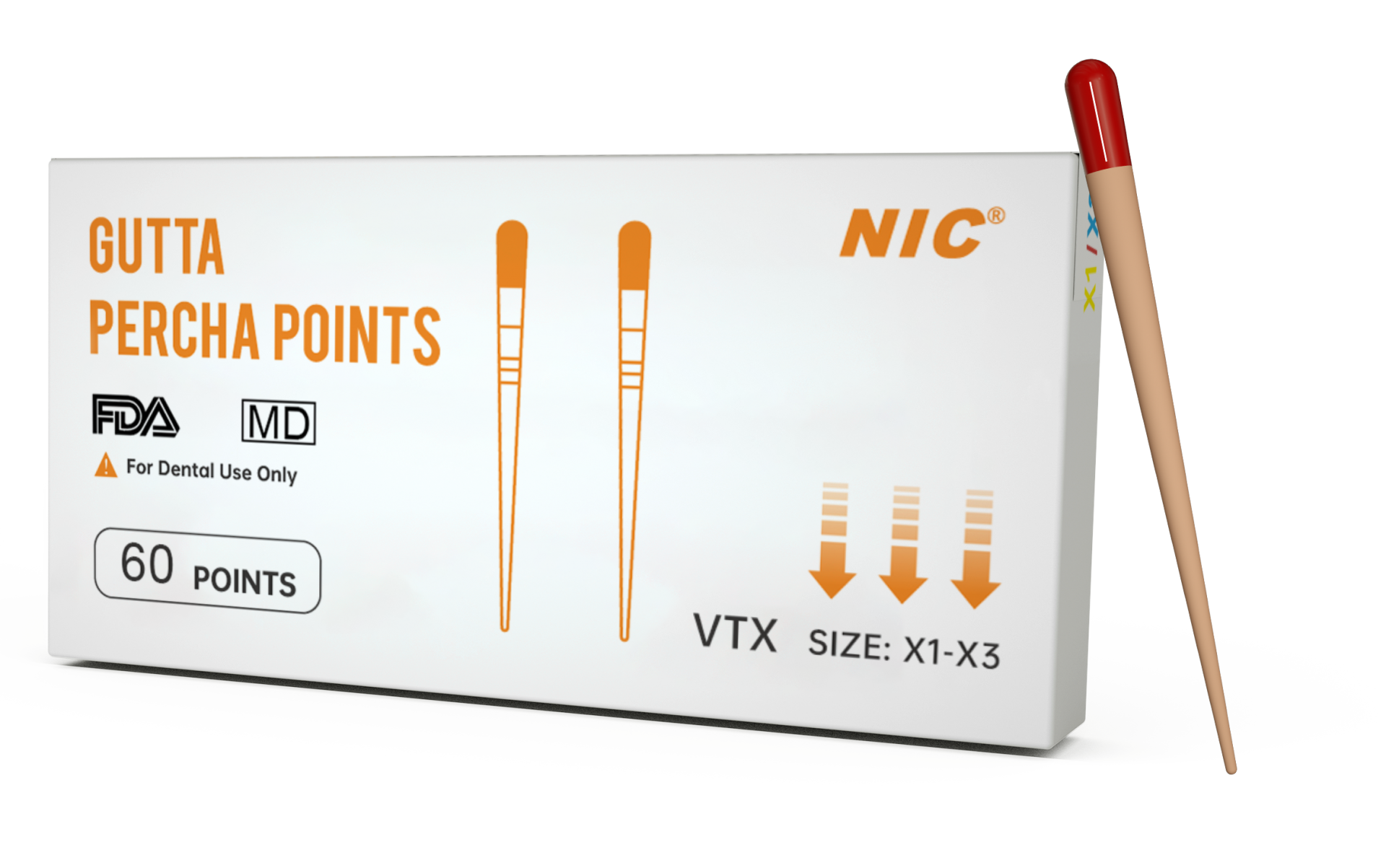
While many reciprocating systems use a simple "single file" approach for bulk shaping, the file's tip size and taper remain key selection parameters. Systems are usually labeled by the tip size (e.g., ISO #25 or #40) and taper (e.g., 0.06 or 0.04). For canals that are wide and straight, a larger tip size and greater taper (e.g., 40/0.06) may be selected for faster shaping and increased irrigation flow. Conversely, for very narrow or curved canals, a smaller, less tapered file (e.g., 25/0.04) is preferred to conserve dentin and minimize the risk of procedural errors. The correct final endo rotary size is essential to ensure a tight, predictable fit with the corresponding obturation points, leading to a long-lasting seal.
Partnership and Support from NIC Dental
Choosing the right reciprocating system is a decision that affects safety, efficiency, and predictability in endodontic practice. It requires aligning with a manufacturer that invests heavily in material science and adheres to rigorous quality control standards. As a dedicated provider of advanced endodontic instruments, NIC Dental offers a comprehensive range of reciprocating files and motors, ensuring practitioners can find the ideal niti rotary file solution for every clinical challenge. Our company is more than just a supplier; we are a partner focused on mutual success, providing the reliability and quality assurance necessary to elevate your practice or product portfolio. Beyond premium instruments, we deliver responsive technical support, clinical resources, and consistent supply chain reliability to streamline your operations. With decades of endodontic expertise, we stand by our partners through every step—from product selection to post-purchase care—reinforcing trust and driving shared success in precision dentistry.