

back

The development cycle of dental instruments is a highly structured, multi-phase process that mirrors the stringent requirements of the broader medical device industry. Unlike consumer products, instruments used directly in patient care must adhere to global safety, efficacy, and quality standards (e.g., ISO 13485, FDA, CE). This rigorous control is essential because dental instruments, such as the advanced niti rotary file systems used in endodontics, directly impact patient outcomes. Our company, NIC Dental, embraces this stringent product development cycle, ensuring that every instrument we manufacture—from concept to commercialization—is validated for precision, reliability, and safety, making us a trusted partner for distributors worldwide.
Phase One: Identifying Clinical Need and Concept Development
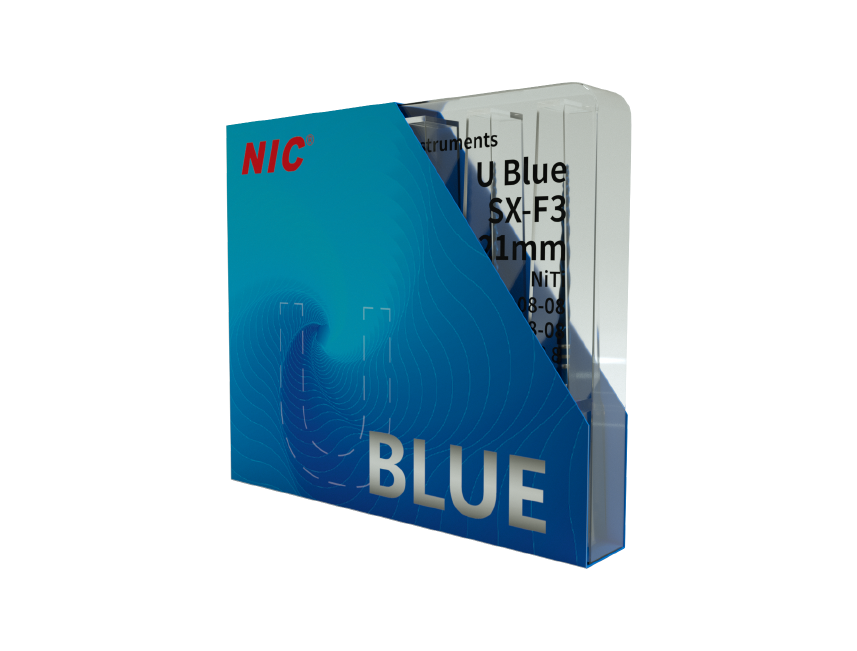
The development cycle begins with the identification of an unmet clinical need or a recognized deficiency in existing instruments. This phase relies heavily on NIC Dental's collaboration with practicing dentists and our dedicated R&D team. For example, the need for a more fracture-resistant and flexible instrument led to the development of our heat-treated NiTi alloys used in our NiTi rotary file products. During this concept stage, our engineers define the intended use, perform preliminary risk analysis, and establish the detailed design input specifications—the foundational blueprint for the new device. This early focus on user-centered design ensures the final product solves real-world clinical problems.
Phase Two: Design, Engineering, and Prototyping
Once the concept and specifications are defined, the engineering team moves into detailed design. This involves selecting specialized materials—such as the Nickel-Titanium alloy for endodontic files—creating CAD models, and determining the optimal manufacturing process. Prototyping is an iterative, hands-on activity where initial models are rapidly produced for initial bench testing. For a product like a niti rotary file, this step focuses on geometric features like the cross-section, taper, and pitch, which directly influence cutting efficiency and debris removal. Our two decades of R&D expertise allow us to swiftly translate complex metallurgical knowledge into tangible, functional prototypes that meet or exceed the initial design specifications.
Phase Three: Verification, Validation, and Testing of Files Endodontics
The Verification and Validation (V&V) stage is the most rigorous and resource-intensive part of the cycle, where the design is proven to meet both its technical specifications and user needs. Verification involves extensive files endodontics testing for key mechanical properties: cyclic fatigue resistance, torsional strength, and flexibility, often conducted in custom-made artificial canals to simulate clinical curvature. Validation ensures the instrument performs safely and effectively in a clinical environment through field trials and usability studies. Our commitment to this phase means our files endodontics are not just theoretically sound but clinically reliable, providing confidence to both our distributors and the dental professionals who use them.
Phase Four: Regulatory Submission and Quality System Documentation
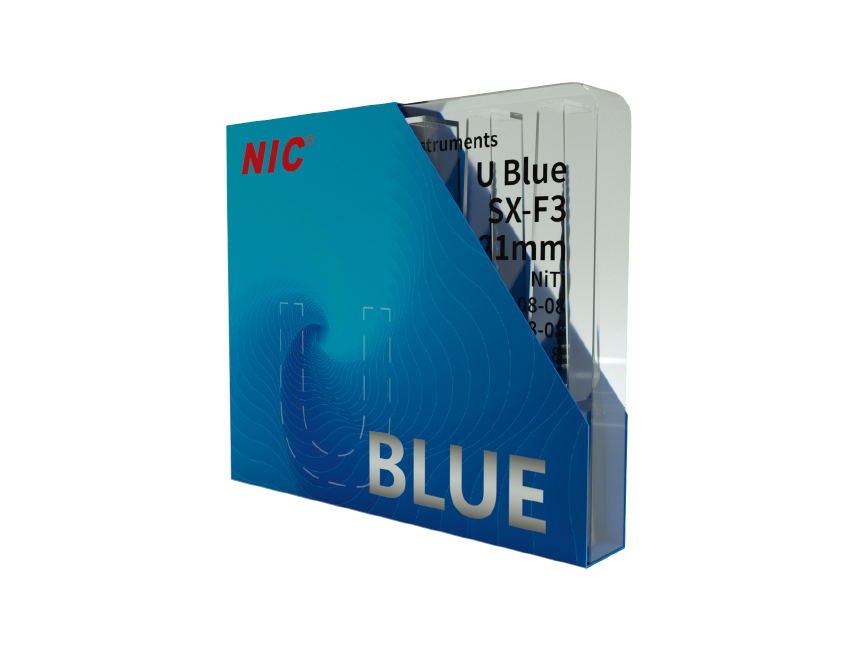
Before any instrument can be launched, it must receive regulatory clearance from bodies like the U.S. FDA, European CE (MDR), and local government agencies. This step requires compiling a comprehensive Design History File (DHF) that documents every stage of the V&V process. Maintaining a Quality Management System (QMS) compliant with ISO 13485 is non-negotiable and dictates how the entire NIC Dental operation functions. Our established history and existing certifications assure our partners that our niti rotary file systems and other instruments are fully compliant, simplifying their own regulatory and market entry processes. This rigorous documentation protects both our company and our global distribution network.
Phase Five: Manufacturing Scale-Up and Post-Market Surveillance
Following regulatory approval, the process transitions to manufacturing scale-up, known as Design Transfer. This ensures the design can be consistently produced in volume while maintaining the precise specifications and quality established during V&V. Our production process, equipped with μ-level precision CNC machines, includes automated Quality Control (QC) checks on every batch of files endodontics. Finally, the cycle culminates in Post-Market Surveillance. NIC Dental actively monitors instrument performance in the field, collecting user feedback to identify potential improvements and ensure continuous compliance. This vigilance ensures that our market-leading products, including the specialized niti rotary file, maintain their reputation for excellence long after they reach the clinic.
Conclusion
In conclusion, the product development cycle for dental instruments is a rigorous, user-centric journey that prioritizes safety, efficacy, and compliance with global medical device standards. From identifying unmet clinical needs through collaborative R&D to post-market surveillance, every phase is designed to ensure instruments—like NIC Dental’s advanced NiTi rotary files—deliver reliable performance in real-world clinical settings. By integrating metallurgical innovation, iterative prototyping, and stringent verification/validation, the cycle translates clinical insights into precision tools that address dentists’ most pressing challenges. For distributors and dental professionals worldwide, this structured approach underscores NIC Dental’s commitment to quality, regulatory compliance, and continuous improvement—solidifying its position as a trusted partner in advancing dental care through innovative, clinically proven instruments. Ultimately, this meticulous development process is not just a regulatory requirement but a promise: to deliver tools that elevate treatment outcomes, enhance procedural safety, and uphold the highest standards of excellence in the dental industry.