

back

Dental burs are indispensable tools in dental procedures. Whether treating dental caries, preparing teeth, restoring teeth, or performing oral surgeries, dental burs are responsible for cutting enamel, removing decayed tissue, and shaping tooth contours. They work in conjunction with high-speed and low-speed handpieces to achieve precise, pain-free cutting.
Dental burs can be categorized by material into carbide burs and diamond burs. Which one should you choose? This directly impacts efficiency and precision. Read on for more about carbide burs vs diamond burs.
The table below offers a quick overview of the key differences between carbide bur vs diamond bur:
|
Feature |
Carbide Burs |
Diamond Burs |
|
Material |
Tungsten carbide |
Diamond particles |
|
Cutting Mechanism |
Cuts tooth structure using sharp, bladed edges |
Grinds tooth surface using abrasive diamond grit |
|
Surface Finish |
Creates a smoother surface, suitable for final shaping |
Produces a slightly rough surface, ideal for bonding |
|
Durability |
Very strong, though blades can dull or fracture over time |
Highly durable but may lose grit with repeated use |
|
Cost |
More affordable and widely available |
Generally higher due to diamond particles |
|
Best Use For |
Cavity preparation, refining margins, and removing old restorations |
Enamel preparation, crown cutting, and coarse reduction |
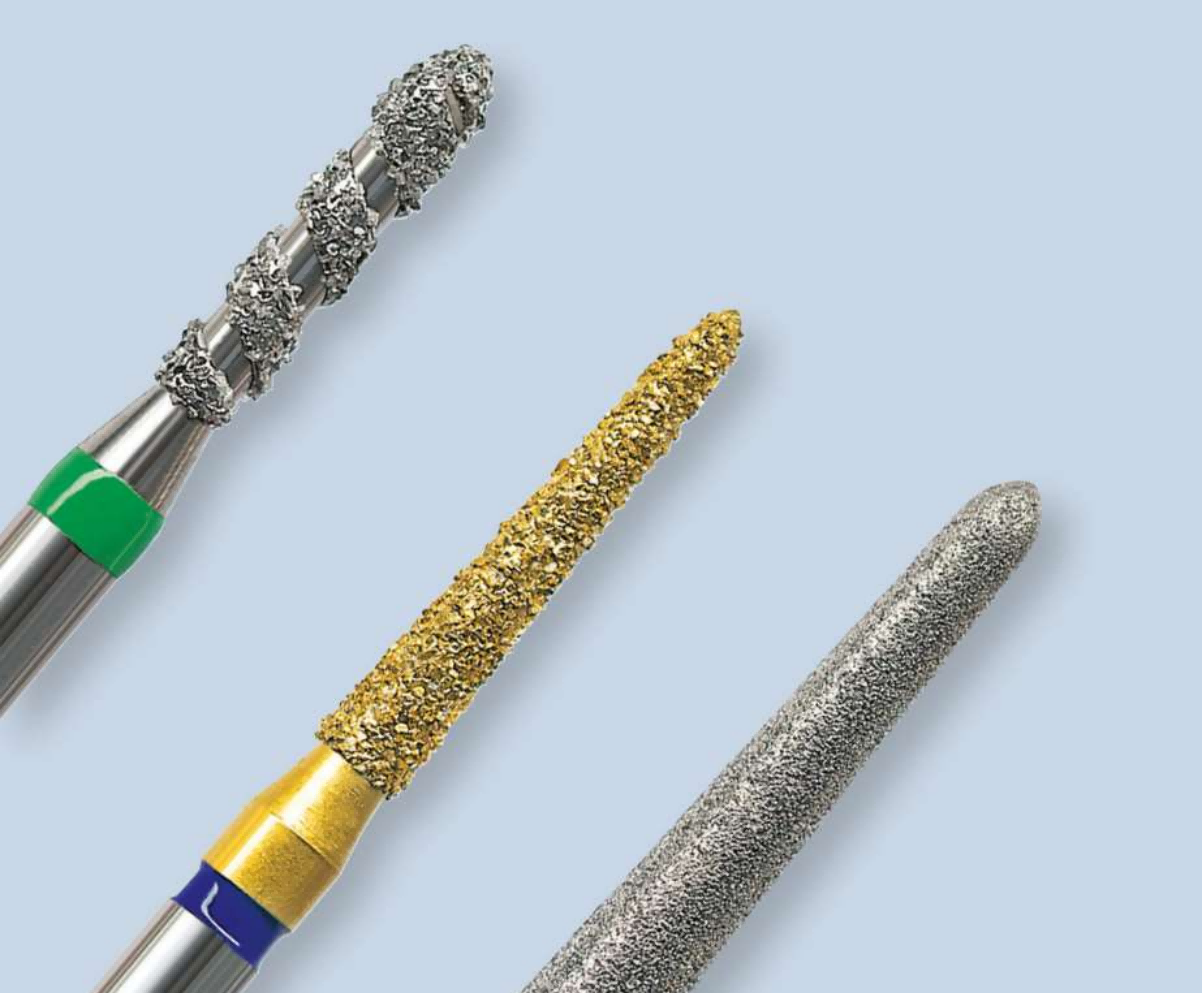
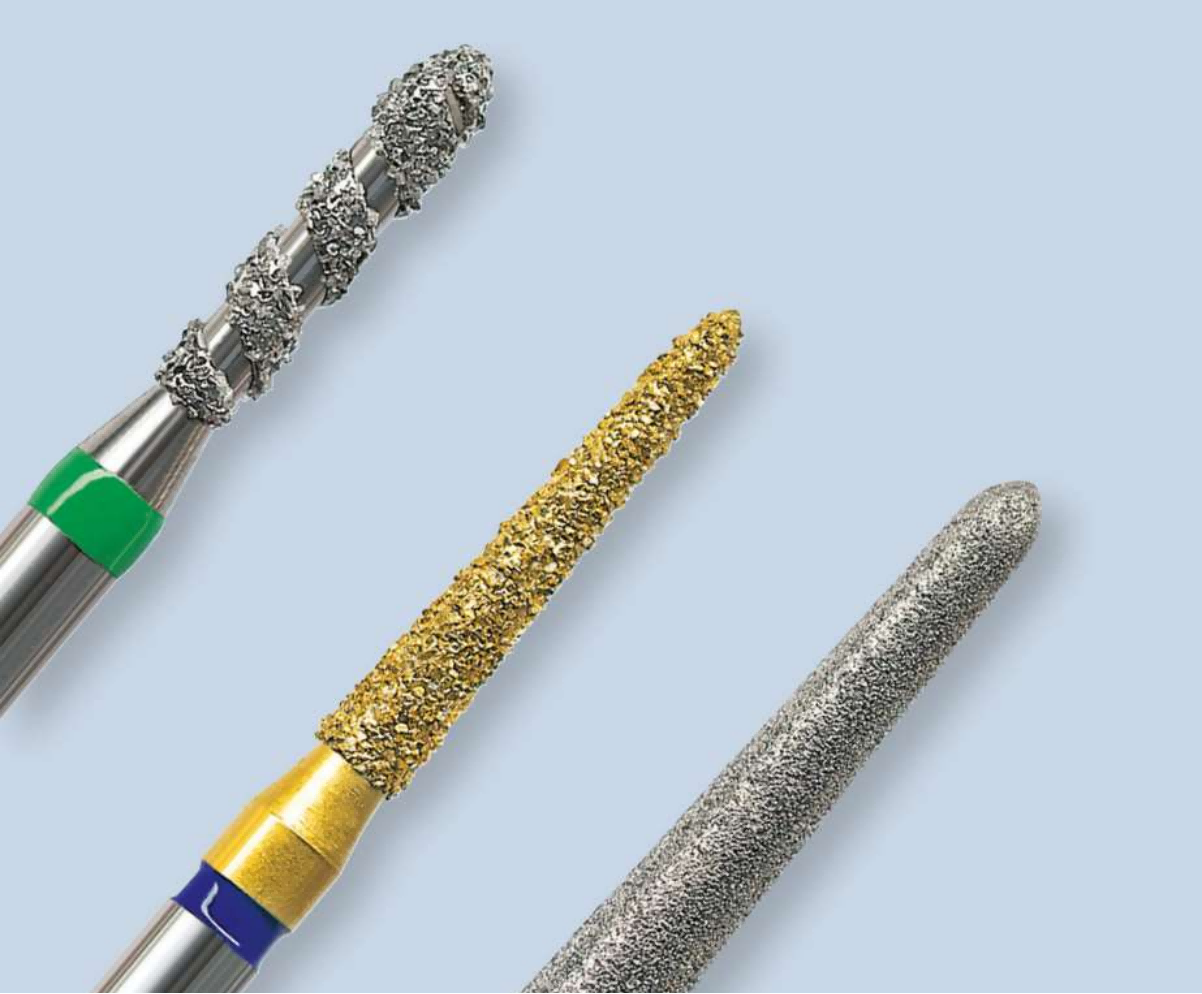
Diamond burs are precision rotary instruments coated with fine industrial diamond particles, with various shapes: round, tapered, flame, or wheel for different uses. Typically, diamond burs are used for grinding hard enamel, shaping teeth, or finishing restorative surfaces.
Types of dental burs under the diamond category include coarse, medium, fine, and extra-fine, allowing clinicians to control surface smoothness according to the task. Coarse burs remove material quickly, while fine ones deliver a smoother finish suitable for bonding surfaces.
l Excellent for cutting hard materials such as enamel and ceramics
l Efficient for gross reduction and shaping
l Produces optimal roughness for bonding restorations
l Available in a wide range of grit sizes for different clinical needs
l May cause more heat generation if not cooled properly
l Tends to wear out faster with frequent sterilization cycles
l Creates a rougher finish than carbide burs on dentin or metal surfaces
Carbide burs are made from tungsten carbide, a dense and durable material known for its sharp cutting edges. In contrast to diamond burs that grind surfaces, carbide burs slice through tooth structure with a bladed, chisel-like action.
They are most commonly used for cavity preparation, finishing restorations, and trimming metal or composite materials.
Available in multiple blade configurations or flute patterns, these burs provide versatility for both gross cutting and delicate finishing tasks.
l Produces a smooth surface, especially on dentin and restorative materials
l Offers precise, controlled cutting with minimal vibration
l More cost-effective and longer-lasting than many diamond burs
l Efficient at bulk material removal
l Less efficient for cutting enamel and ceramics
l May fracture if used with excessive pressure
l Requires careful handling to prevent chipping or dulling of blades
Both carbide bur vs diamond burs are essential in dental practice. Their internal design and cutting mechanisms make them suitable for different clinical purposes.
Diamond burs grind enamel and restorative materials using embedded diamond particles.
Carbide burs slice with sharp blades. The "slicing" action is more efficient for removing "gummy" or soft materials like decay, which would otherwise clog a diamond bur.
Diamond burs typically leave a rougher surface suited for bonding and crown preparation.
Carbide burs deliver a smoother finish ideal for cavity refinement.
However, the outcome depends largely on grit size or flute number rather than the bur type alone.
Coarse diamond burs remove material faster, making them a preferred choice for bulk reduction.
Carbide burs cut more slowly but provide better control and precision for shaping and finishing.
Diamonds lose their "sharpness" when the diamond grains fall off the bond matrix. Once the "bald" spots appear, the bur generates heat without cutting.
Carbides dull slowly, but their blades can chip. Clinically, diamonds are often treated as single-use to ensure maximum sharpness and infection control.
Diamond burs cost more due to their coating process.
Carbide burs are more affordable and suitable for frequent use.
Selecting between a carbide bur vs diamond bur depends on multiple clinical and practical factors. These include:
The type of material determines which bur performs best. Dental diamond burs are the preferred choice for cutting enamel, ceramics, and zirconia due to their strength. Carbide burs offer high efficiency in cavity and filling procedures, delivering smooth finishing results.
Different stages of a procedure demand different tools. For bulk removal and tooth reduction, carbide burs save time with faster grinding. When fine shaping, finishing, or margin refinement is required, diamond burs deliver smoother and more controlled results.
Both types of bur require regular cleaning and sterilization, but diamond burs require careful handling to maintain diamond integrity. Carbide burs are robust but should be checked for wear and replaced as needed.
Keep the budget in mind while making a purchasing choice. Diamond burs tend to be pricier, as they excel in high-precision and hard-material applications. Carbide burs are more economical for everyday cutting and finishing tasks, making them a practical choice for general dentistry.
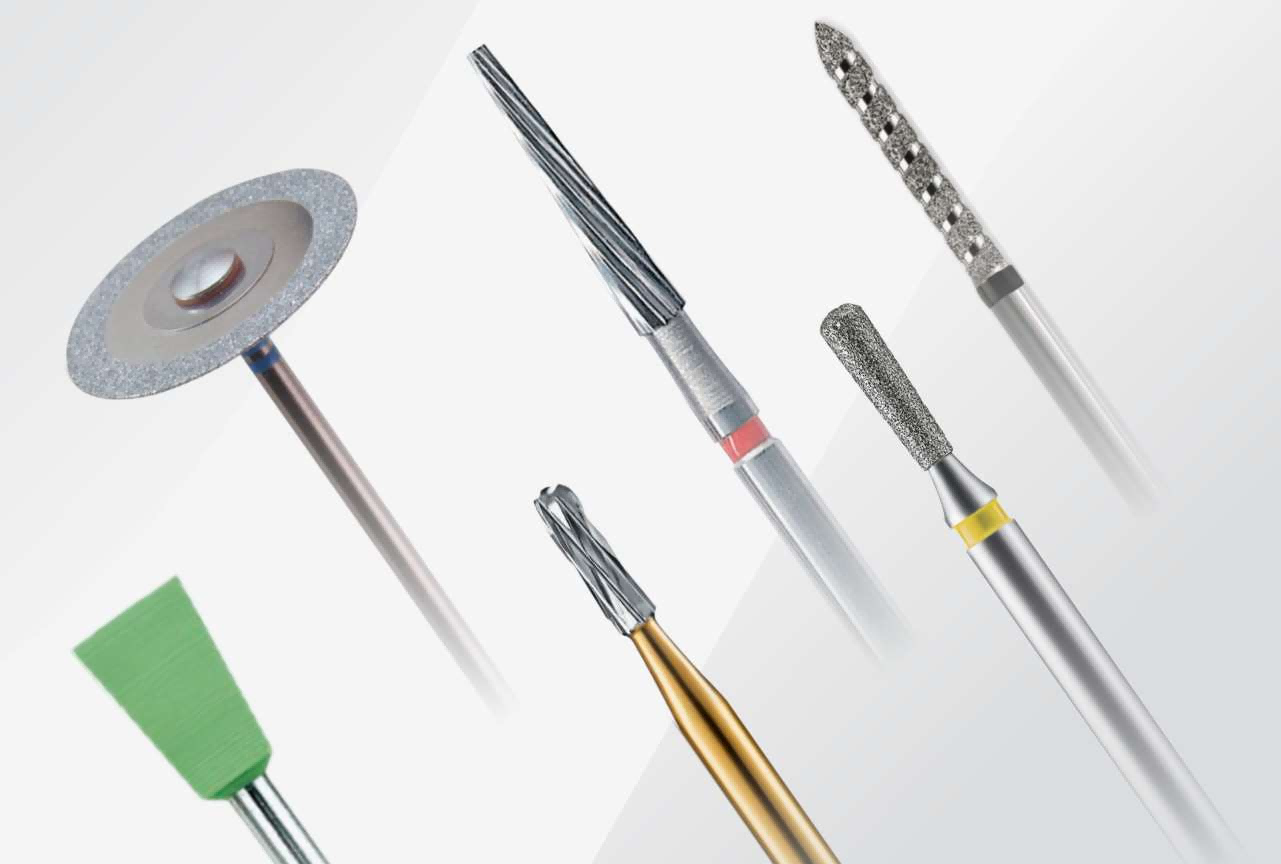
To achieve superior clinical outcomes, the quality of your rotary instruments is non-negotiable. NIC® specializes in dental diamond burs designed to ensure consistency, efficiency, and long-term performance:
Each bur is crafted from high-quality natural diamond particles sourced from world-renowned manufacturers. The diamond particles feature a compact shape, sharp cutting edges, and exceptional holding strength.
We optimize the distribution and acute-angle orientation of diamond particles through advanced technology to enhance processing precision. Our nano-crystalline electroplating process strengthens the bonding layer, improving both strength and thermal control.
At NIC®, our every production stage follows strict inspection standards, testing for grit retention, bonding strength, and consistency. The result is a product that performs reliably through repeated clinical use.
NIC® diamond burs deliver smoother cutting, minimal vibration, and greater control, helping dentists operate precisely and comfortably. Whether you are performing a ceramic adjustment or filling of teeth, NIC® provides the precision you need.
For more information and to explore NIC®’s full range of dental burs, contact NIC Dental now!