

back

An endodontic motor (endo motor) is a dental device that drives endodontic files during root canal therapy (RCT). It delivers consistent rotational or reciprocating motion, allowing dentists to shape the root canal efficiently and safely.
In modern practice, the endo motor has become essential in reducing treatment time, improving precision, and minimizing procedural errors.
This article explains how to set up and use an endodontic motor in clinical practice, covering the tools needed, step‑by‑step operation, and safety pointers. Read on for more information.
Before beginning root canal therapy, gather all instruments and prepare the operatory. Proper RCT setup ensures that using the endodontic motor is smooth and predictable.
A rubber dam prevents saliva contamination, protects the airway, and creates a clean and dry working field. It also improves visibility and minimises procedural complications.
Choosing a NiTi file system depends on canal anatomy, operator preference, and the type of endodontic motor being used.
The endodontic rotary systems have a continuous cutting edge along the entire length, rotating continuously in one direction. On the other hand, reciprocating files have a partial cutting edge, moving in a back-and-forth motion.
Apex locator measures the working length accurately by detecting the position of the file tip within the root canal. When used together with radiographic confirmation, it helps prevent over-instrumentation and ensures cleaning reaches the full canal length.
Check that the handpiece and unit are correctly connected. Adjust torque and speed according to the file manufacturer’s recommendations to ensure safety and performance.
Position the patient comfortably with the head slightly tilted for better visibility. Explain the procedure clearly to them to reduce anxiety and build trust before starting treatment.
Using an endodontic motor correctly ensures efficient canal preparation. Here is how to use an endo motor properly:
Turn on the endodontic motor and securely attach the handpiece through cord or wireless. Check the battery status to prevent interruptions during the procedure. Confirm that the handpiece is compatible with your file system.
Choose the operating mode that matches the type of file system being used. Modern endodontic motors include preset file libraries to help streamline setup and prevent configuration errors.
Set torque and speed based on the manufacturer’s guidelines for the selected NiTi files. Lower torque reduces file stress in curved canals, while appropriate speed ensures cutting efficiency.
Before starting canal shaping, use an apex locator endo to determine the exact working length of the root canal. This helps clean and shape the canal precisely without going beyond the root tip. For accuracy, verify the reading with a radiograph before proceeding.
Carefully insert the NiTi file into the prepared canal path and turn on the motor. Let the file advance smoothly with light pressure, allowing it to follow the canal’s natural curvature. Avoid forcing the instrument.
After each file, irrigate the canal thoroughly to clean accumulated dentinal debris with a suitable disinfecting solution such as sodium hypochlorite.
Take advantage of the motor’s safety features, such as low battery, root tip measurement exceeding root tip, and malfunction alarm, to minimise any associated risks.
To maximize the lifespan of your equipment and protect your patients, here are some tips:
● Pre-curve files for curved canals: Even though NiTi files are flexible, pre-curving the tip of a glide path file can help navigate difficult curvatures, reducing stress on files and preventing ledging.
● Replace files after recommended use: NiTi files have a limited lifespan. Keep a record of usage and replace worn instruments promptly. This avoids the risk of separation.
● Never force a file: If a file binds or stalls, withdraw it gently, irrigate, recapitulate with a small hand file, and check for any obstructions. Forcing the file can cause breakage and damage the canal.
● Clean and calibrate the motor regularly: Regular cleaning and calibration ensure consistent torque and speed output. Follow the manufacturer’s maintenance guidelines to maintain accuracy and prolong the motor’s service life.
● Avoid over-instrumentation or working beyond the apex: Accurate working length and controlled motion reduce the risk of going past the apex. This preserves periapical tissue and minimizes postoperative discomfort.
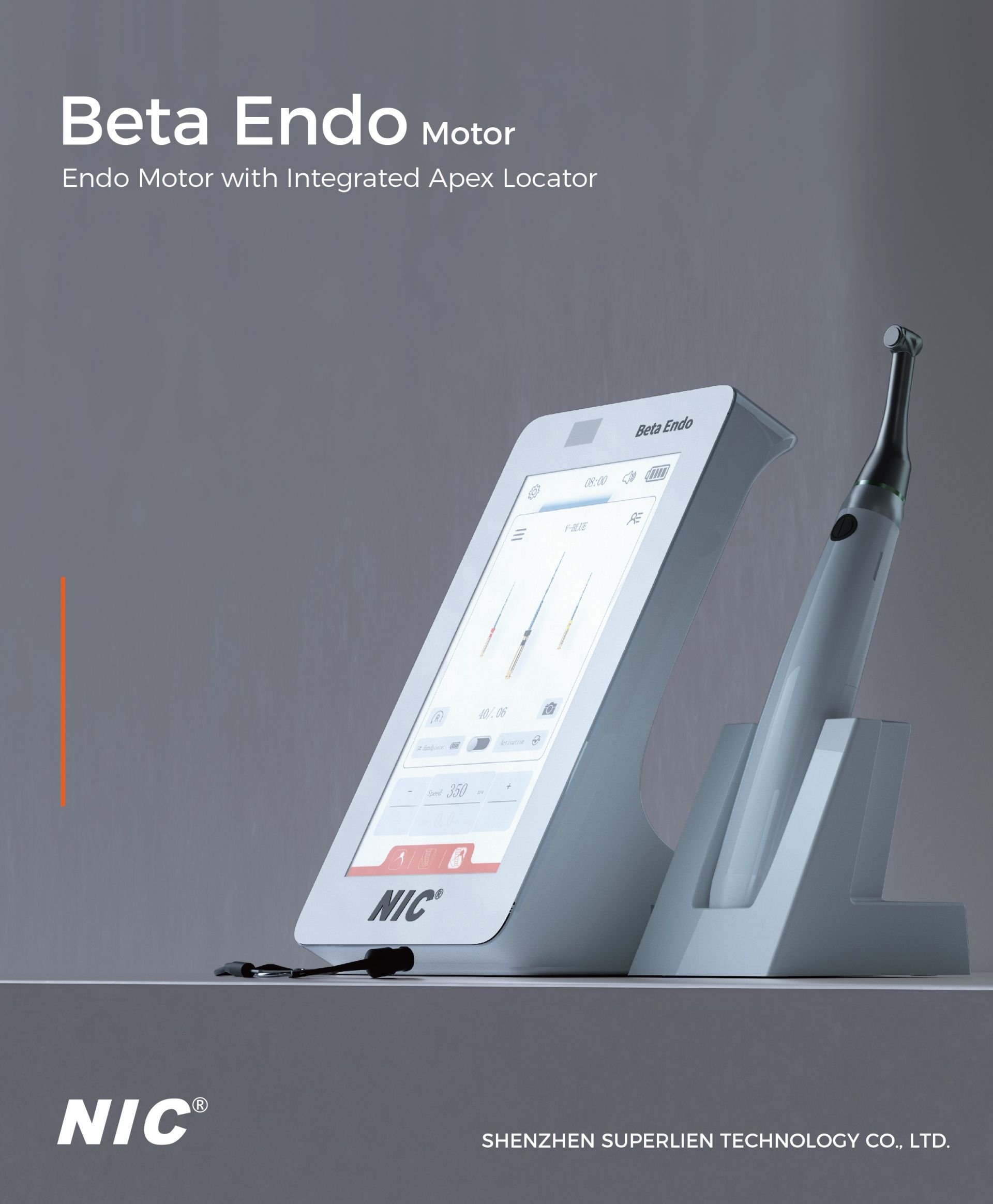
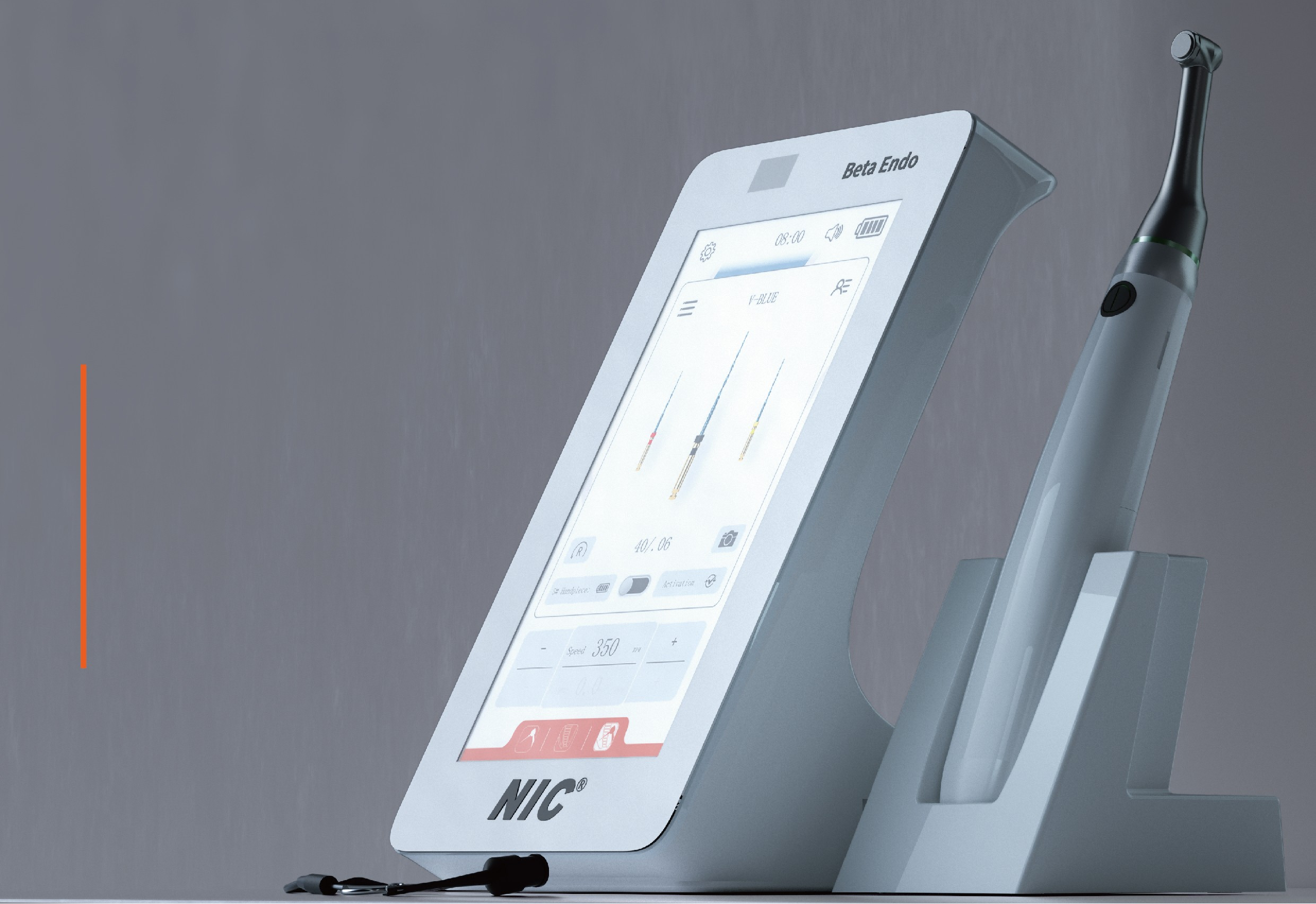
The quality of your equipment directly correlates with the quality of care. For clinicians seeking a high-performance endodontic motor, the NIC® Beta Endo is designed for safe and efficient modern dental practices:
l Three-in-One Functionality: Integrated apex locator, file library, and motor combine to create a compact all-in-one solution, eliminating the need to stack multiple devices on the tray.
l Built-in Barcode Scanning: The smart barcode scanner automatically identifies file systems and loads the corresponding torque and speed settings, reducing human error.
l User Information Storage: Beta Endo can store up to 30 custom file sequences or presets, making it ideal for multi-operator clinics or clinicians using different systems, and facilitating patient follow-up visits as well as easy data access for doctors.
l One Console, Multiple Handles: Supporting up to 5 handpieces on a single motor, the system improves workflow efficiency and is ideal for multi-chair dental setups.
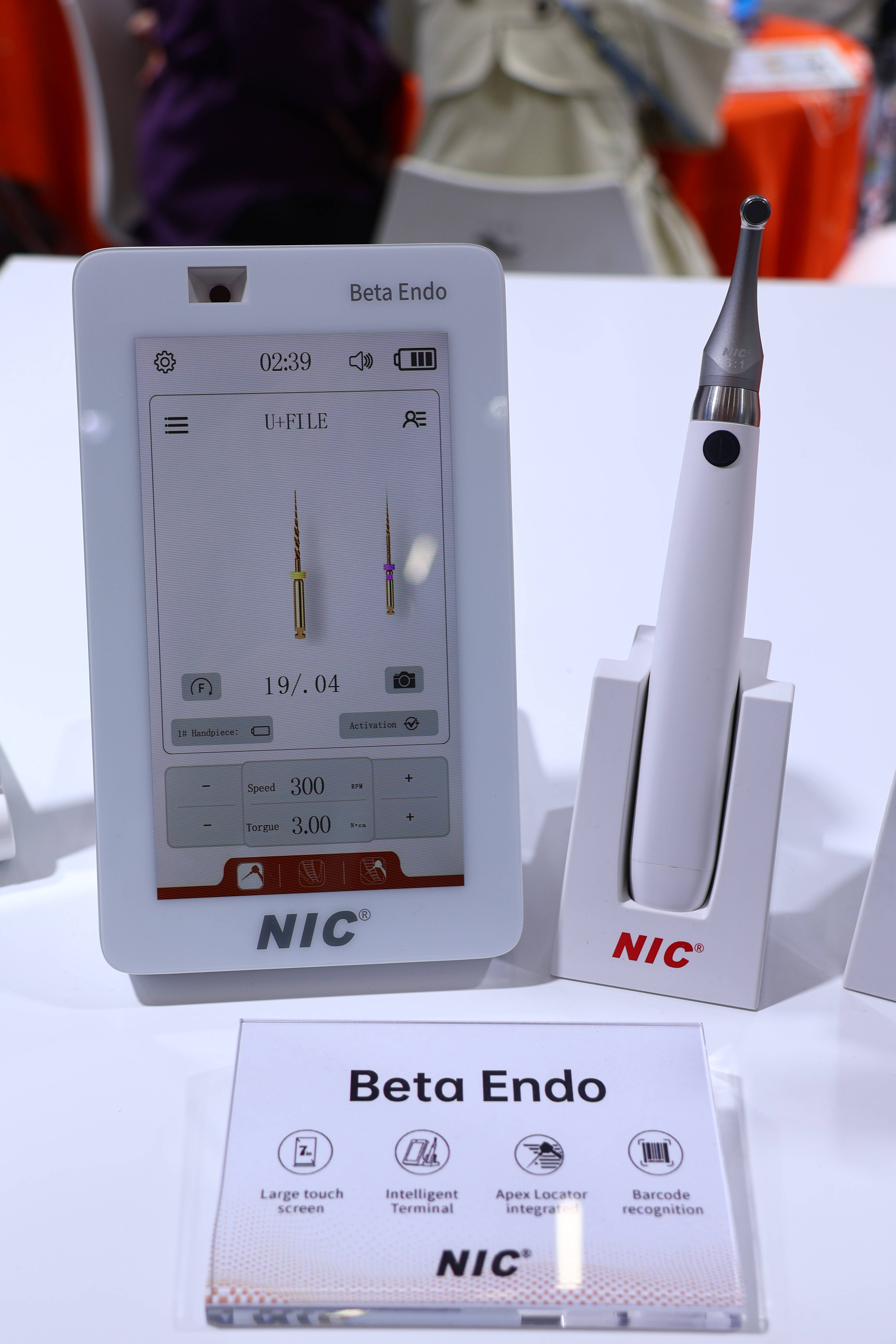
The Beta Endo Motor brings clear advantages for both clinicians and patients.
l Its intelligent control system ensures smoother file movement, reducing the chance of breakage and making every procedure more predictable.
l Dentists benefit from quicker treatment times, enhanced precision, and steady torque that improves confidence during complex cases.
l Patients experience safer, more personalized, and comfortable care.
Over two decades of experience make NIC® a well-known supplier of endodontic instruments. The Beta Endo Motor is an innovated endo motor for dentists.
If you have any needs, feel free to contact us now!
Using an endodontic motor correctly can transform root canal therapy. From a careful RCT setup to proper torque and speed selection, each step matters. Confirm the working length with an apex locator, follow safety tips, and respect file limits to protect both instruments and patients.
Contact NIC® now for more information about the Beta Endo Motor.