

back

Endodontic files play a crucial role in the field of dentistry, particularly during root canal procedures. Understanding the types of root canal file available can help demystify the process and highlight the importance of these instruments in ensuring successful dental treatments. In this article, we will explore the different types of endodontic files, including hand files and rotary files, and discuss the innovative offerings from NIC Dental.

Hand Files: The Traditional Approach
Hand files have been a staple in endodontics for many years. These manual root canal files are typically made of stainless steel or nickel-titanium (NiTi) and come in various sizes and tapers. The primary purpose of hand files, as essential dental endodontic instruments, is to clean and shape the root canal system, allowing for effective removal of infected tissue and debris.
Using hand files requires a steady hand and a good understanding of the root canal anatomy. Dentists often employ a technique called “crown-down” or “step-back” to ensure they adequately shape the canal without causing unnecessary damage. The tactile feedback provided by these root canal files allows practitioners to feel the canal's curvature and navigate through challenging anatomy effectively.
Despite the rise of rotary instruments, hand files remain popular due to their versatility and control. As critical dental endodontic instruments, they are particularly beneficial in cases with complex canal systems where precision is paramount. Additionally, hand files are essential for finishing and refining the canal shape after rotary instrumentation.
Rotary Files: The Modern Solution
Rotary files have revolutionized endodontics by introducing mechanized instruments that enhance efficiency and consistency. These files are designed to be used with a dental handpiece, allowing for faster and more precise shaping of the root canal. Made primarily from NiTi, rotary files are known for their flexibility and strength, making them ideal for navigating curved canals.
The design of rotary files often includes various tapers and cutting edges, which can significantly improve the cleaning efficacy. As the rotary file moves through the canal, it removes debris and prepares the canal for filling, all while minimizing the risk of ledging or perforation. The use of rotary files can considerably reduce chair time for patients, making the root canal procedure less daunting.
Moreover, advancements in rotary file technology continue to emerge, leading to innovations that further enhance their performance. Many modern rotary systems offer features like heat treatment, which improves the durability and flexibility of the files, allowing for better adaptation to the intricate anatomy of the root canal.
NIC Dental: Leading the Way in Endodontic Instruments
When it comes to dental endodontic instruments, NIC Dental stands out for its commitment to quality and innovation. One of their notable offerings is the Theta File, designed specifically for root canal treatments. This file combines the best features of both hand and rotary files, providing dentists with a reliable tool for effective canal shaping.
The unique geometry of the Theta File enhances debris removal, ensuring that every nook and cranny of the root canal is thoroughly cleaned. This is particularly important in maintaining optimal oral health and preventing future complications. By respecting the natural anatomy of the root canal, NIC Dental’s instruments allow for a conservative approach to endodontics, minimizing the risk of damage to surrounding tissues.
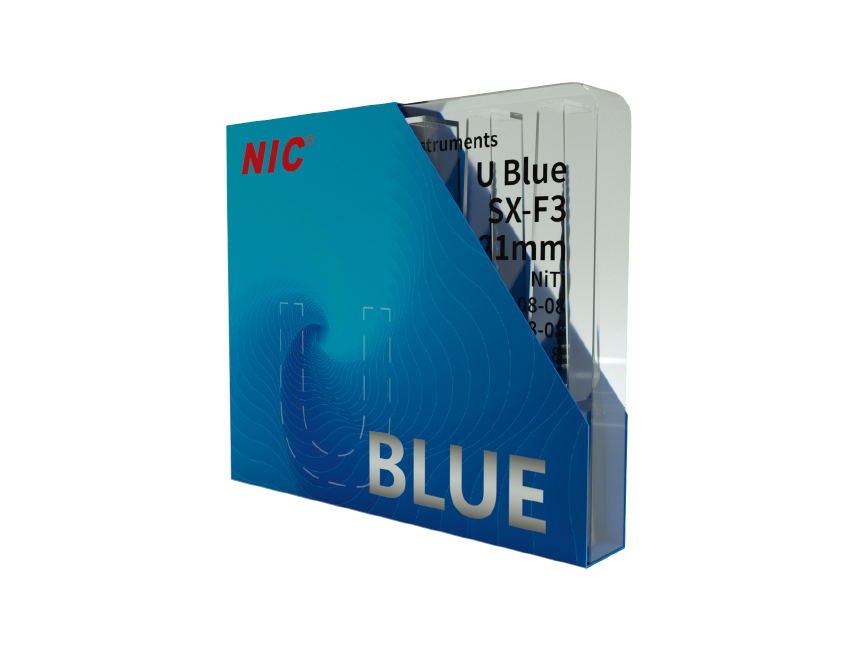
In addition to the Theta File, NIC Dental also offers NiTi rotary endodontic files, such as the Maxtech 3.0 heat-treated files. These files are engineered for superior performance, ensuring that dental professionals can achieve the best possible outcomes for their patients.
Conclusion
Understanding the various types of endodontic files, from hand files to rotary files, highlights the intricate nature of root canal procedures. As dental technology continues to advance, brands like NIC Dental are leading the charge with innovative dental endodontic instruments that enhance both efficacy and patient comfort. Whether through the dependable hand files or cutting-edge rotary files, the right instruments can make all the difference in successful endodontic treatments.