

back

When it comes to modern dentistry, particularly in the field of endodontics, the materials used in tools can make a significant difference in treatment outcomes. One such material that has revolutionized root canal procedures is nickel-titanium (NiTi). Known for its unique properties, NiTi is the backbone of most endodontic rotary files. In this article, we will explore the characteristics of nickel-titanium, its advantages in endodontics, and how it enhances the effectiveness of dental procedures.
The Unique Properties of Nickel-Titanium
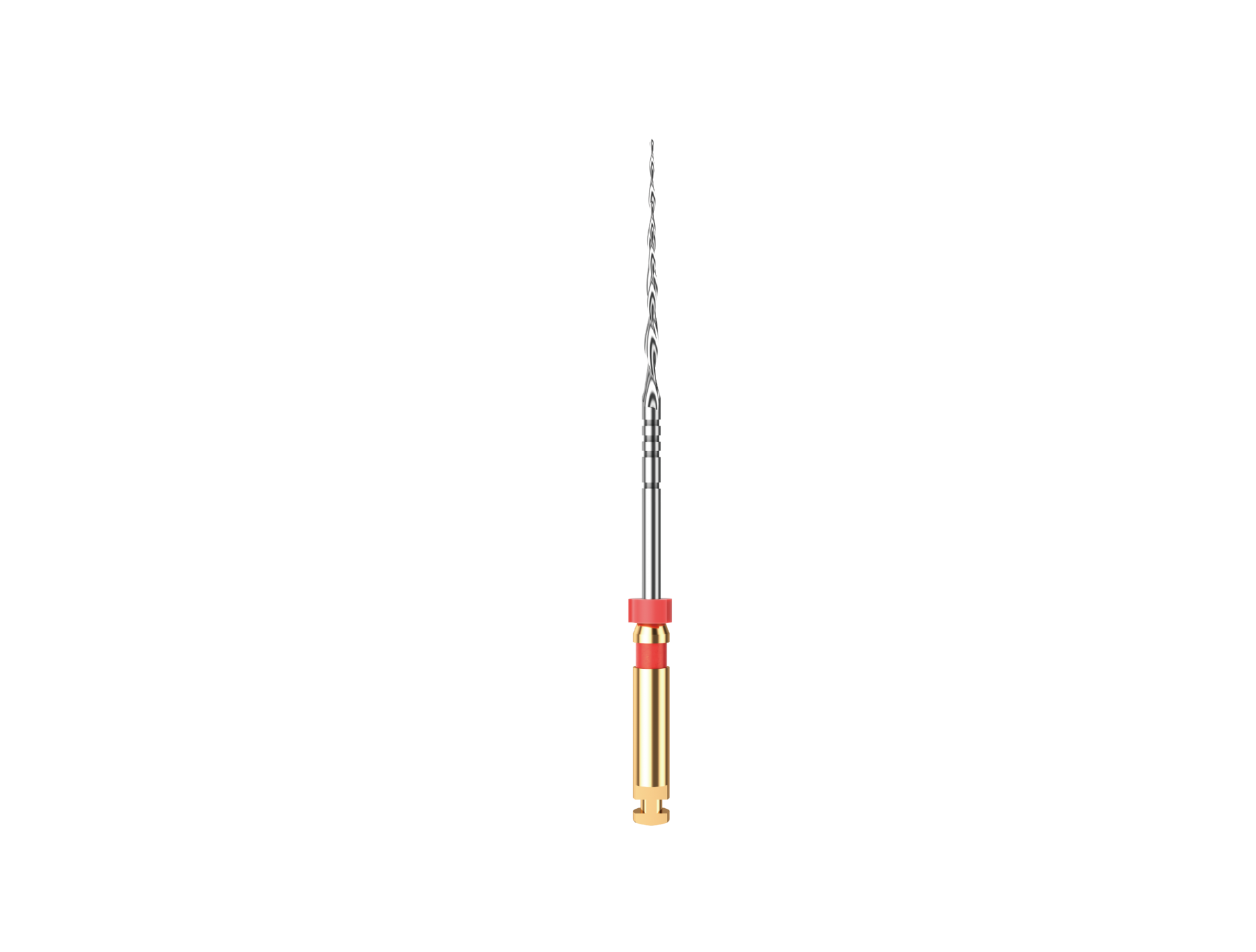
Nickel-titanium is an alloy that combines nickel and titanium in a specific ratio. This composition bestows the material with remarkable flexibility, allowing endodontic rotary root canal file to navigate the complex anatomy of root canals with ease. Unlike stainless steel, which can be rigid and prone to fracture, NiTi files can bend without breaking. This flexibility is crucial during root canal treatments, where the path can be irregular and challenging.
Moreover, NiTi has a unique phase transformation property. At certain temperatures, it can change from a martensitic phase, which is softer and more flexible, to an austenitic phase, which is stiffer. This transition allows NiTi files to adapt to the conditions they encounter within the canal, providing both precision and safety during the procedure. The combination of these properties not only enhances the performance of the files but also reduces the risk of complications during treatment.
Advantages of Using NiTi Rotary Files in Endodontics
The flexibility and resistance to fracture of nickel-titanium files bring several advantages to endodontic procedures. One of the primary benefits is the reduction of procedural errors. Traditional stainless steel files often require more pressure and can lead to ledging or perforation of the canal walls. In contrast, NiTi files glide through the canal, minimizing the risk of damaging the surrounding tooth structure.
Additionally, the ability of NiTi files to maintain their shape means that they can effectively remove debris and prepare the canal for filling. This efficiency contributes to better treatment outcomes, as a well-prepared canal is essential for successful root canal therapy. Furthermore, the smooth cutting action of NiTi files allows for a more comfortable experience for patients, as less invasive techniques are employed.
NIC Dental: A Leader in Endodontic Rotary Files
When discussing endodontic rotary files, NIC Dental stands out as a prominent name in the industry. Their offerings, such as the V File, are designed with cutting-edge technology to enhance root canal procedures. Manufactured using MaxTech 6.0 NiTi alloy, these files provide exceptional durability and flexibility.
The S-shaped cross-section of NIC Dental's files features two cutting edges, allowing for greater cutting efficiency. This design not only improves the efficacy of the procedure but also ensures that the file can navigate complex canal systems safely. With a reciprocating safety movement, the NIC Dental files minimize the risk of file separation, a common concern in endodontic treatments.
Moreover, NIC Dental’s one-file system streamlines the process, making it more efficient for dental practitioners. The regressive taper design helps prevent unnecessary loss of tooth substance in the coronal part, preserving the integrity of the tooth while effectively preparing it for filling.
Conclusion
Nickel-titanium composition in endodontic rotary files has transformed the landscape of root canal therapy. Its flexibility and resistance to fracture make it a superior choice for navigating complex canal systems. Brands like NIC Dental further enhance the benefits of NiTi files, offering advanced solutions that prioritize both efficiency and patient safety. By choosing high-quality endodontic rotary files, dental professionals can ensure better treatment outcomes and a more comfortable experience for their patients.