

back

When we evaluate root canal anatomy, choosing the correct size and type of nickel titanium endodontic files becomes fundamental to treatment safety and efficiency. Canal curvature, diameter, and complexity directly influence our decisions. At NIC Dental, we rely on systematic assessment before introducing any instrumentation. For example, narrow or highly curved canals generally require smaller and more flexible instruments, while wider canals allow for larger sizes that help create a predictable pathway. These principles guide how we use modern systems, including reciprocating endodontic file solutions, to ensure controlled shaping without unnecessary stress on the dentin.
Matching File Characteristics to Clinical Needs
Selecting the appropriate nickel titanium endodontic files also depends on the mechanical behavior of each design. Curved canals benefit from enhanced flexibility, while long or oval canals require instruments with balanced cutting ability. Our company develops files with performance stability in mind, which is why we pay close attention to cross-section geometry, taper, and resistance to cyclic fatigue. When we use a reciprocating endodontic file in difficult anatomy, the motion pattern lowers torsional risk and provides smoother advancement. By combining clinical evaluation with file characteristics, we maintain consistency across varied cases and support predictable instrumentation outcomes.
Applying NIC Dental Solutions to Root Canal Anatomy
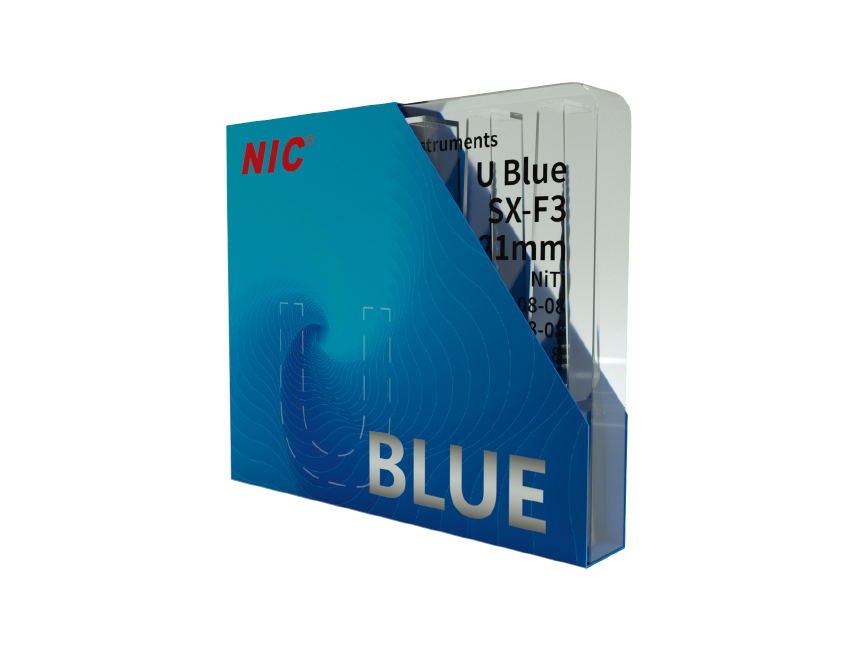
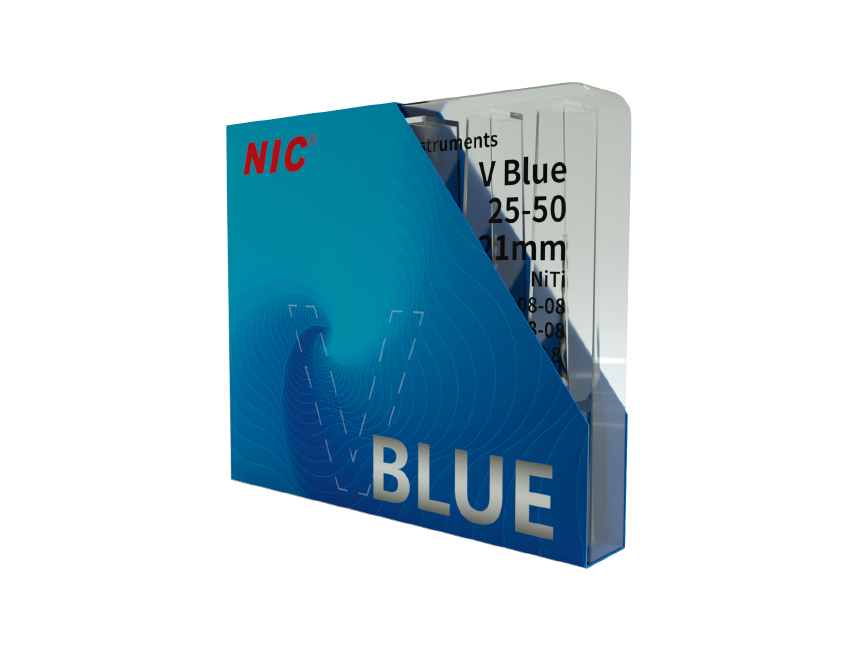
To align clinical demands with practical solutions, we use nickel titanium endodontic files from our own system such as the V BLUE line. This series is designed to address a wide range of anatomical conditions while maintaining safety. Our reciprocating endodontic file option in this system emphasizes minimal sequence to simplify workflow and helps avoid cross infection by reducing the number of instruments required. The S-shaped cross-section enhances cutting efficiency and enables smooth progression without pressure, decreasing stress on dentin. The regressive taper design also preserves coronal structure by preventing unnecessary removal of dentin. Because V Blue instruments are versatile, we can also use them to remove obturation material when retreatment is needed, supporting both efficiency and adaptability in our daily practice.
Conclusion:Selecting the Right Files for Better Results
In summary, choosing the correct size and type of nickel titanium endodontic files must always follow a thoughtful understanding of canal anatomy. When we combine anatomical assessment with the functional characteristics of each reciprocating endodontic file, we create safer and more predictable procedures. Our team at NIC Dental continues to focus on research, engineering, and high-quality manufacturing so that systems like V BLUE provide reliable solutions for clinicians. By evaluating canal shape, curvature, and treatment goals, we ensure each file selection matches clinical needs and maintains long-term procedural consistency.