

back

Curved root canals present consistent technical challenges in modern endodontic treatment, particularly in maintaining original canal anatomy while reducing procedural risks. As NIC Dental, we have worked closely with global distributors and clinicians for many years, and we understand why the choice of an endodontic rotary file system directly affects clinical efficiency and long-term outcomes. When discussing curved canals, flexibility, material behavior, and manufacturing stability are key factors that cannot be overlooked. For distributors evaluating solutions from a dental instrument supplier, these aspects are often more decisive than surface-level specifications. Our experience in NiTi material research allows us to observe how design and metallurgy interact during real clinical use, especially in complex canal curvature scenarios.
Material Behavior and Design Considerations in Curved Canals
From a clinical perspective, curved canals demand controlled flexibility and predictable torque response from a NiTi file. Excessive stiffness may increase canal transportation, while insufficient resistance may compromise shaping consistency. At NIC Dental, our research teams focus on balancing these factors through continuous refinement of heat treatment and cross-sectional design. This approach supports smoother canal negotiation while maintaining structural stability. Our rotary instruments are developed within a fully integrated system that includes internally engineered production equipment, ensuring consistency between design intent and manufacturing output. For distributors sourcing from a dental instrument supplier, such system-level control reduces variability across batches and supports long-term cooperation in regulated markets.
System Stability and Clinical Workflow Compatibility
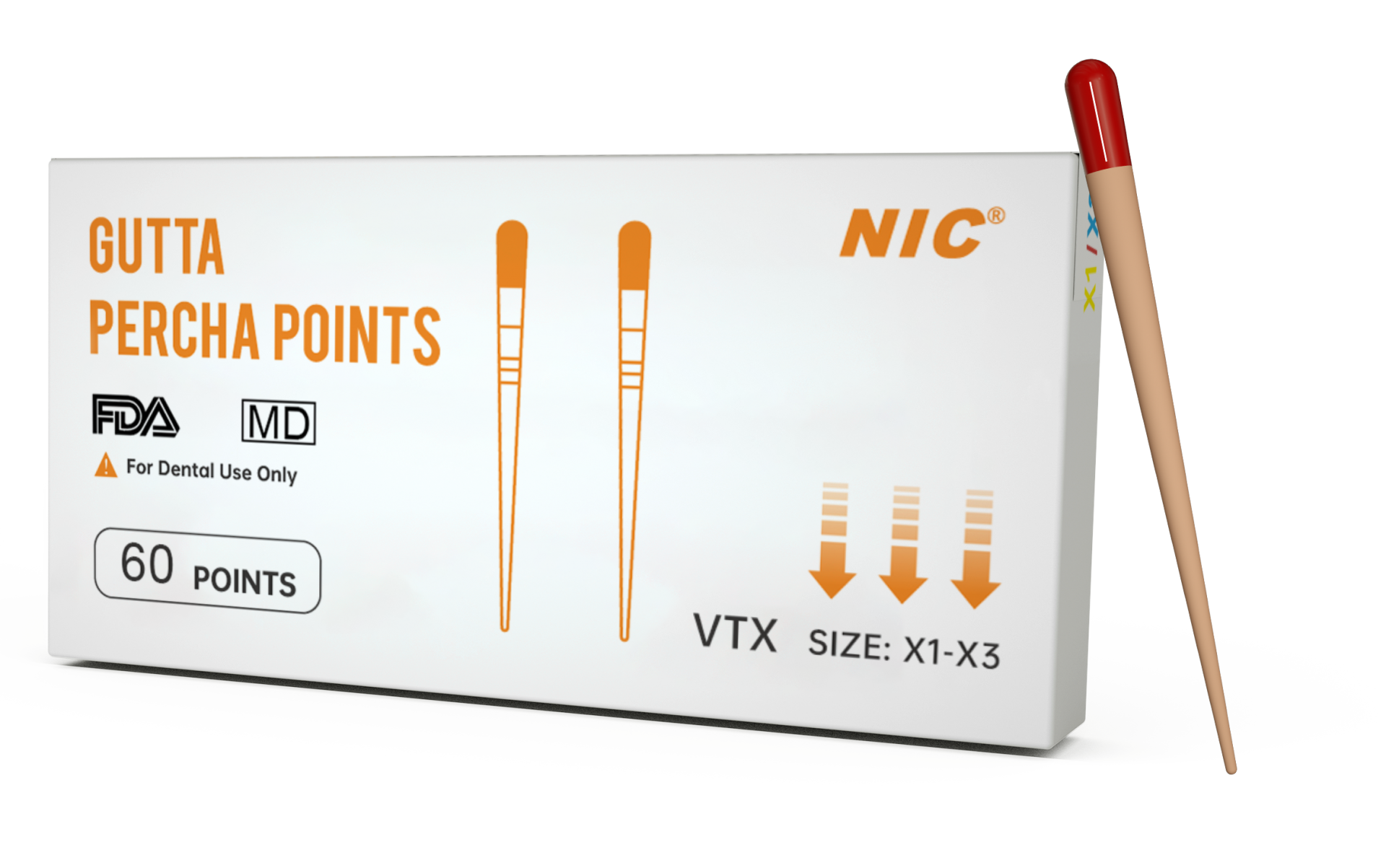
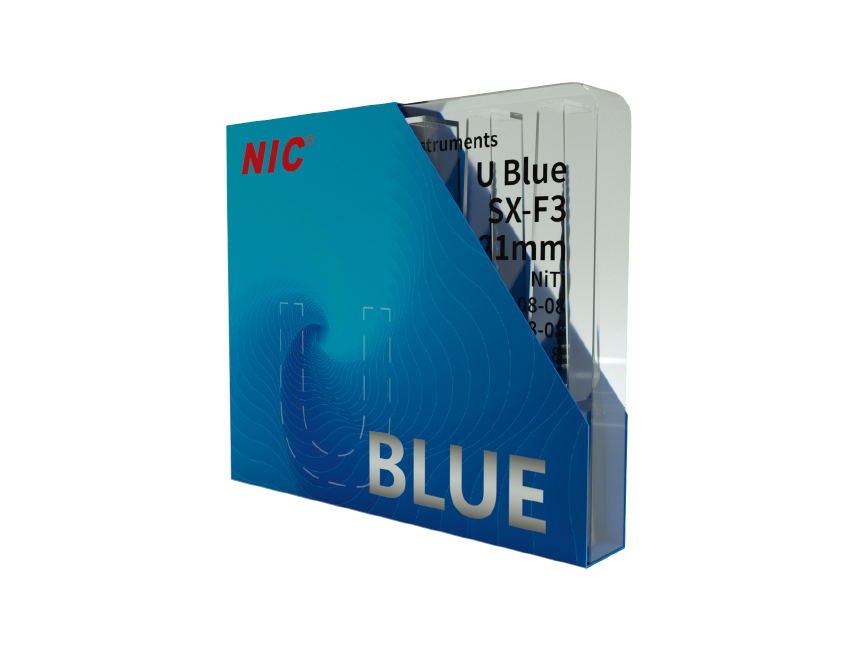
An effective endodontic rotary file system must integrate seamlessly into existing clinical workflows, particularly when addressing curved root canals that require gradual, controlled preparation. Our U files endodontics portfolio is designed to support progressive shaping while minimizing unnecessary stress on the file body. Combined with compatible GP point solutions, clinicians can maintain procedural continuity from shaping to obturation. As an experienced dental instrument supplier, we recognize that distributors value systems that demonstrate reliable performance across different canal anatomies without relying on aggressive cutting behavior. This stability is closely linked to our long-standing NiTi material expertise and in-house equipment development.
Conclusion: Matching System Characteristics to Curved Canal Demands
Selecting the appropriate endodontic rotary file system for curved root canals is less about marketing claims and more about understanding material science, design logic, and manufacturing discipline. At NIC Dental, we approach system development through sustained research investment and certified production processes aligned with CE, FDA, and ISO requirements. For distributors seeking a dependable dental instrument supplier, consistency, regulatory readiness, and transparent technical foundations remain central considerations. By aligning file flexibility, system compatibility, and production control, we continue to support partners serving diverse clinical environments with confidence.