

back

The question of whether engine-driven NiTi files, particularly reciprocating rotary files, can be safely reused after sterilization is one of the most significant debates in contemporary endodontic practice. While sterilization protocols are generally effective at eliminating cross-contamination risk, the primary concern with reuse is the cumulative mechanical stress—specifically cyclic fatigue—that builds up in the instrument’s metallic structure with each use. Our company, NIC Dental, approaches this question by recognizing the clinical efficiency of our advanced file systems while prioritizing patient safety and minimizing the unpredictable risk of instrument separation. Ultimately, the decision involves balancing cost-effectiveness against the highest possible standard of safety and instrument performance. We recommend strict adherence to single-patient use for optimal reliability, as our precision-engineered NiTi files deliver peak performance when new, eliminating the hidden risks of microcracks or reduced torsional strength that may go undetected after reuse. This guidance aligns with our commitment to empowering clinicians with tools and best practices that prioritize both clinical confidence and patient well-being.
Understanding the True Risk: Cumulative Mechanical Fatigue
The chief danger associated with reusing any reciprocating endodontic file is not infection, but fracture due to mechanical fatigue. Endodontic instruments, by their nature, are subjected to repeated tension and compression as they shape the curved canal (cyclic fatigue) and potential binding that causes instantaneous torsional stress. While sterilization itself does not immediately fracture the file, the cleaning process and the heat of the autoclave may induce subtle surface defects or stress corrosion, potentially accelerating the fatigue process started during the file’s previous use. This accumulation of invisible damage means that a seemingly perfect file can separate without warning, which is the main argument supporting the single-use philosophy strongly recommended by manufacturers of most modern reciprocating rotary files. Even with meticulous inspection, microcracks and structural weakening remain undetectable to the naked eye, posing unnecessary risks to both patients and clinical efficiency. NIC Dental’s single-use design prioritizes eliminating this hidden hazard, ensuring each file delivers consistent, uncompromised performance while aligning with the industry’s commitment to evidence-based safety.
NIC Dental’s Commitment to Single-Use Safety Protocols
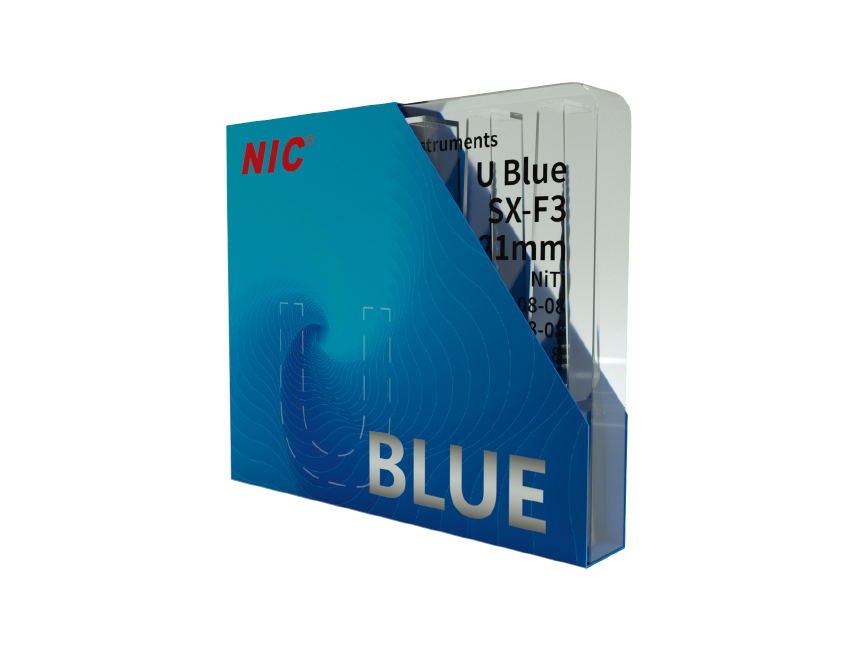
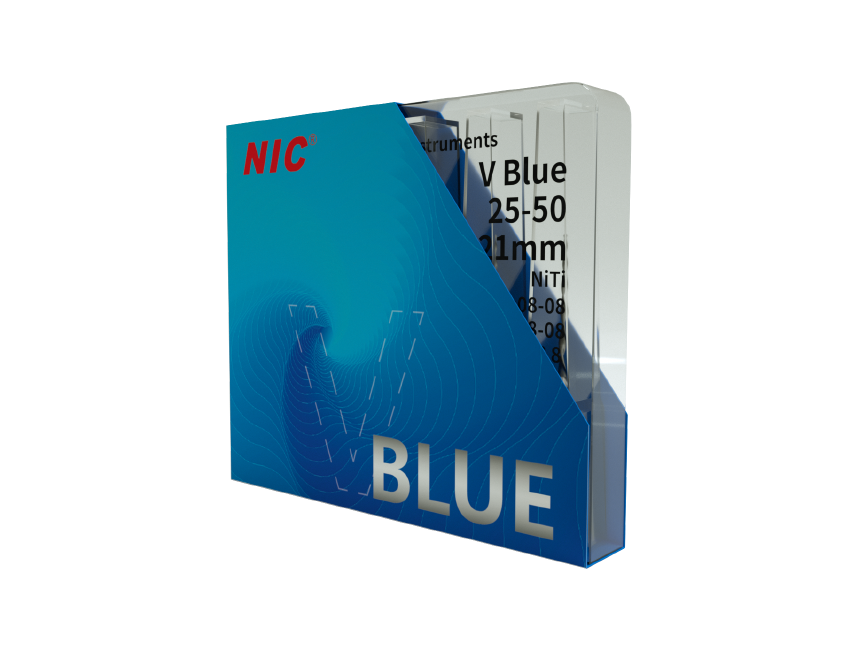
Although clinical studies often demonstrate that high-quality, heat-treated files—like our V BLUE system featuring the flexible MaxTech 6.0 Ni-Ti alloy—can physically withstand multiple uses, our company strongly advocates for the safest possible protocol. The V BLUE reciprocating endodontic file is designed with the highest safety margins for a single-patient procedure. By adopting a single-use policy for our reciprocating rotary files, NIC Dental eliminates the guesswork associated with tracking a file's usage history, the complexity of gauging the stress accumulated from a "simple" versus a "severe" case, and the difficulty of adequately cleaning the microscopic flutes to prevent bioburden. This approach ensures maximum cutting efficiency and minimizes the risk of liability for the practitioner. It aligns with our core mission to prioritize patient safety above all, delivering consistent, reliable performance in every procedure while simplifying clinical workflows for dental professionals. By removing the uncertainties of reuse, we empower clinicians to focus on what matters most—providing exceptional endodontic care with complete confidence in their tools.
The Enhanced Fatigue Resistance of Our Reciprocating Rotary Files
It is important to acknowledge that modern reciprocating rotary files inherently possess greater resistance to cyclic fatigue than older continuous rotary systems. The unique back-and-forth motion significantly reduces the strain placed on the metal compared to constant rotation. Files like the V BLUE from NIC Dental are further enhanced by our MaxTech 6.0 Ni-Ti alloy, which results in superior flexibility and fracture resistance. Clinical research has shown that these advanced, heat-treated reciprocating endodontic file systems perform exceptionally well, even when tested multiple times. This superior material science is what gives clinicians confidence in the file's performance during a single procedure, but it does not negate the overall manufacturing recommendation of a single use for ultimate safety.
The Practicalities of Reprocessing vs. Single-Use
When practitioners consider reusing instruments, they must factor in the time and expense associated with reprocessing: cleaning, inspecting under magnification, sterilizing, and tracking the file's usage count. Studies have shown that thorough cleaning of the intricate flutes on reciprocating rotary files is highly challenging, raising residual concerns regarding cross-contamination and the potential for retained organic debris to compromise the subsequent sterilization cycle. Many clinical economists and safety advocates, therefore, argue that the operational costs and liability risks of reprocessing NiTi files often outweigh the perceived cost savings, making the simple, efficient, and unquestionably safe single-use method the superior workflow choice.
Conclusion: Prioritizing Predictability with NIC Dental
For dental professionals and partners who prioritize predictable clinical outcomes and patient safety above all else, the answer to file reuse is clear: Single-use for NiTi engine files. Our company, NIC Dental, engineers its reciprocating endodontic file systems, including the high-performance V BLUE, for single-patient procedures, thereby guaranteeing that the instrument is at its peak mechanical and cutting performance. We empower clinicians by offering high-quality, cost-effective solutions that allow them to confidently adhere to the highest standard of care, completely eliminating the unpredictable risk posed by cumulative mechanical fatigue.