

back

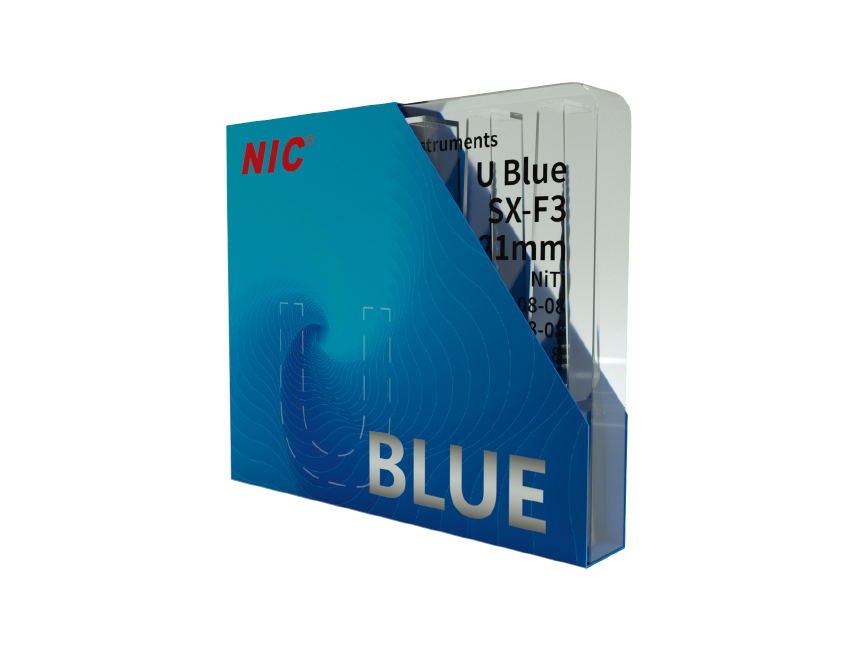
Modern root canal therapy relies on Nickel-Titanium (NiTi) instruments for efficient, safe, and reproducible shaping of the canal system. The term "neo endo rotary file" refers to an advanced system of engine-driven files, designed to be used in a sequential, crown-down approach. This technique, which shapes the coronal part of the canal first, minimizes apical debris extrusion and reduces torsional stress on the instruments. Our company, NIC Dental, provides high-performance NiTi rotary file systems like the U BLUE, engineered with unique metallurgical and geometric features to enhance flexibility and cutting efficiency. Proper usage involves strict adherence to a specific file sequence, precise motor settings, and consistent irrigation to ensure a successful outcome. The U BLUE’s optimized design navigates curved canals with minimal transportation, while its heat-treated NiTi core boosts fracture resistance for reliable performance. Backed by our commitment to clinical excellence, these neo endo systems streamline complex shaping procedures, empowering clinicians to deliver predictable, high-quality endodontic care.
Setting the Precise Motor Parameters for the NiTi Rotary File
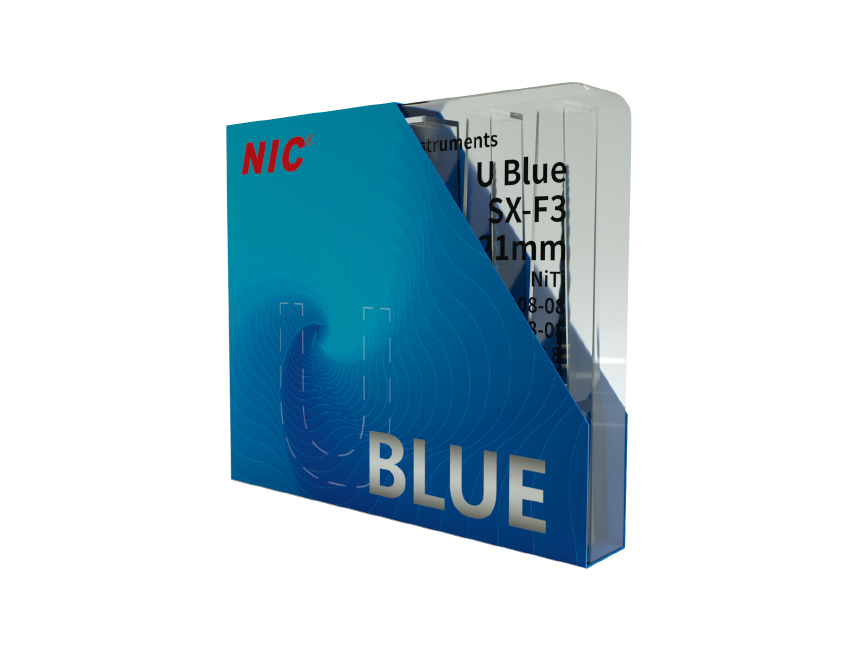
The first critical step in using any niti rotary file system is setting the endodontic motor to the manufacturer's recommended speed and torque settings. For our premium endo rotary files, such as the U BLUE system, which employs continuous clockwise rotation, precise settings are essential for instrument safety and optimal cutting performance. The rotational speed (RPM) and the corresponding torque limit (Ncm) are specifically calibrated to prevent file separation (fracture) due to cyclic fatigue or torsional stress. Always confirm the exact motor parameters provided in the Instructions for Use (IFU) for the specific system to ensure the safety and longevity of the niti rotary file.
Establishing the Initial Glide Path and Coronal Access
Before introducing the endo rotary instrument, the clinician must establish a predictable glide path. This involves achieving straight-line access to the canal orifice (using a file like SX in some protocols) and verifying the canal is patent to the full working length using a small hand file (typically size #10 or #15). This manual pre-flaring ensures that the subsequent, larger niti rotary file encounters minimal resistance and stress as it enters the canal. Our company, NIC Dental, emphasizes this preliminary step, as a secure glide path is the foundation for all safe and efficient motor-driven shaping procedures.
Crown-Down Shaping with the NiTi Rotary File Sequence
The bulk of the shaping is achieved through a controlled, sequential, crown-down approach. Based on the protocol for our U BLUE endo rotary files, this involves using the shaping instruments first (like S1 and S2) to widen the coronal and middle third of the root. These files are used in a smooth, in-and-out pecking motion, taking care not to force the instrument apically. It is vital to withdraw the file frequently to clean the flutes and to irrigate thoroughly between every single file change. This systematic removal of dentin and debris from the top down prepares the path for the final apical finishing files.
Apical Shaping and Final Determination of Working Length
Once the coronal and middle thirds are shaped, the treatment progresses to the apical third using the finishing files (such as F1, F2, and if necessary, F3, F4, F5 in our recommended sequence). These files are advanced to the confirmed working length, which is typically determined using an apex locator after the S1 and S2 files have opened the canal. The finishing files refine the canal terminus, creating a final shape and taper suitable for three-dimensional obturation. Our NIC Dental U BLUE files feature a Guided Safety Tip and variable taper design, ensuring that even during this critical apical shaping phase, the original canal anatomy is respected, minimizing the risk of ledging or transportation. Their heat-treated NiTi core delivers exceptional torsional resistance, enabling smooth, consistent refinement even in narrow or curved apical segments. This precision-engineered design supports reliable obturation outcomes, reinforcing our commitment to equipping clinicians with tools that elevate procedural safety and treatment predictability.
Final Irrigation and Product Promotion from NIC Dental
The last step, subsequent to all mechanical shaping with the endo rotary system, is the final irrigation protocol, which effectively cleans and disinfects the canal space by washing out any remaining smear layer and debris. The efficiency of this final step is directly related to the quality of the shaping achieved by the rotary file. By using the advanced design and MaxTech 6.0 heat-treated niti rotary file systems from NIC Dental, clinicians can trust that they have created the ideal, clean, and tapered preparation. Our U BLUE system, known for its Enhanced Torsional Resistance and flexibility, is a testament to our commitment as a leading NIC Dental supplier to provide efficient, safe, and precise instruments for successful endodontic treatment. This optimized canal preparation ensures irrigation solutions penetrate deeply, maximizing disinfection and laying the groundwork for secure obturation. Backed by our strict quality standards and clinical expertise, NIC Dental’s rotary systems and end-to-end solutions empower practitioners to deliver consistent, reliable outcomes for every patient.