

back

In the world of endodontics, the use of reciprocating file has revolutionized root canal treatments. These instruments offer unique advantages over traditional rotary files, making them a popular choice among dental professionals. Understanding the best practices for effectively utilizing reciprocating files can enhance treatment outcomes and improve patient experiences. This article will explore essential techniques for using reciprocating files in endodontic procedures, focusing on their benefits and proper handling.
Understanding Reciprocating Files
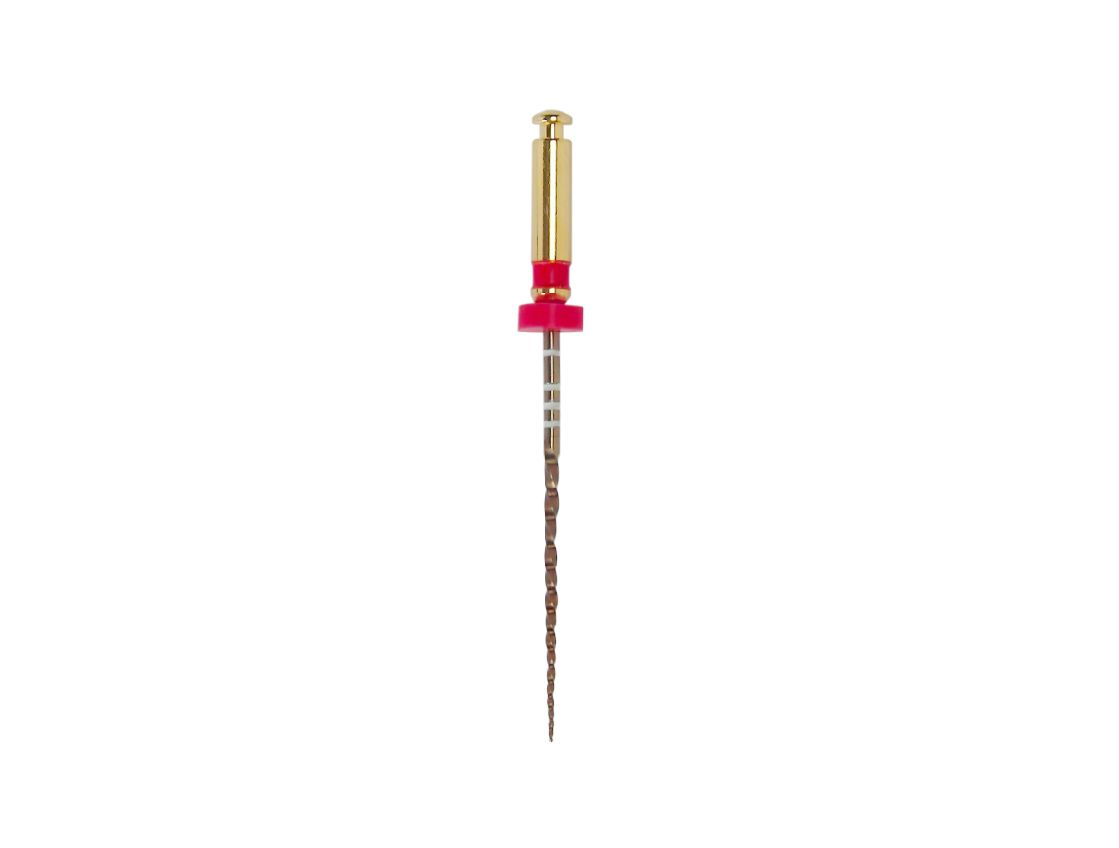
Reciprocating files operate on a back-and-forth motion, contrasting with the continuous rotation of traditional files. This motion allows for efficient canal shaping while reducing the risk of file separation, a common concern in endodontics. The design of reciprocating files often includes a unique cross-section that enhances cutting efficiency and minimizes the screw-in effect, which can complicate navigation through the intricate anatomy of root canals.
One of the primary benefits of reciprocating files is their ability to adapt to various canal shapes. The flexibility of these instruments allows them to follow the natural curvature of the root canals more effectively than their rotary counterparts. This adaptability is crucial, as root canal systems can vary significantly from one patient to another, making precise treatment essential for successful outcomes.
Best Practices for Utilizing Reciprocating Files
To maximize the effectiveness of reciprocating files, following certain best practices is essential. First, proper irrigation during the procedure is vital. Irrigation solutions help to remove debris and lubricate the canal, reducing friction and the risk of file separation. Adequate irrigation not only enhances file performance but also contributes to better cleaning and shaping of the canal, leading to improved treatment outcomes.
Another important technique is to maintain a consistent and controlled motion while using reciprocating files. It's crucial to avoid excessive apical pressure, as this can lead to complications, such as file breakage or perforation of the canal. Instead, a gentle, steady motion should be employed, allowing the file to do the work without forcing it into the canal. This approach maximizes the efficiency of the instrument while minimizing the risk of mishaps.
Additionally, regular maintenance and inspection of the files before use are critical. Ensuring that the files are in good condition will enhance their effectiveness and safety during procedures. Any signs of wear or damage should prompt immediate replacement. This attention to detail can significantly impact the success of the treatment and the overall patient experience.
The Role of NIC Dental in Endodontic Instruments
When discussing the importance of high-quality endodontic instruments, NIC Dental stands out. Their commitment to providing advanced tools is exemplified in their offerings, such as the Z File, which is designed for optimal performance in endodontic procedures. These reciprocating files are crafted to accommodate a full range of canal anatomy, ensuring versatility in treatment.
The Z File features a safer cross-section design that reduces the screw-in effect, allowing for more straightforward navigation through challenging canal systems. Its great cutting effect enhances the efficiency of the shaping process, making it an invaluable tool for dental professionals. By integrating innovative designs and high-quality materials, NIC Dental contributes to improved patient outcomes and a more streamlined endodontic treatment experience.
Conclusion
In conclusion, effectively utilizing reciprocating files in endodontic procedures requires an understanding of their unique benefits and best practices. By maintaining proper irrigation, using controlled motions, and ensuring the integrity of the files, dental professionals can enhance treatment efficiency and patient satisfaction. Brands like NIC Dental, with their advanced endodontic instruments, further support practitioners in delivering high-quality care, making root canal treatments not only safer but also more effective.