

back

In the world of dentistry, maintaining hygiene and safety during procedures is paramount, especially in endodontics. Root canal treatments involve intricate procedures that require specialized instruments. Ensuring that these endodontic instruments are properly sterilized is crucial to prevent infections and promote successful treatment outcomes. Additionally, sourcing high-quality instruments from reliable dental supply China can further enhance the effectiveness of these procedures. In this article, I’ll explore the various methods used for sterilizing endodontic instruments, emphasizing the importance of maintaining high standards of hygiene.
Understanding the Importance of Sterilization
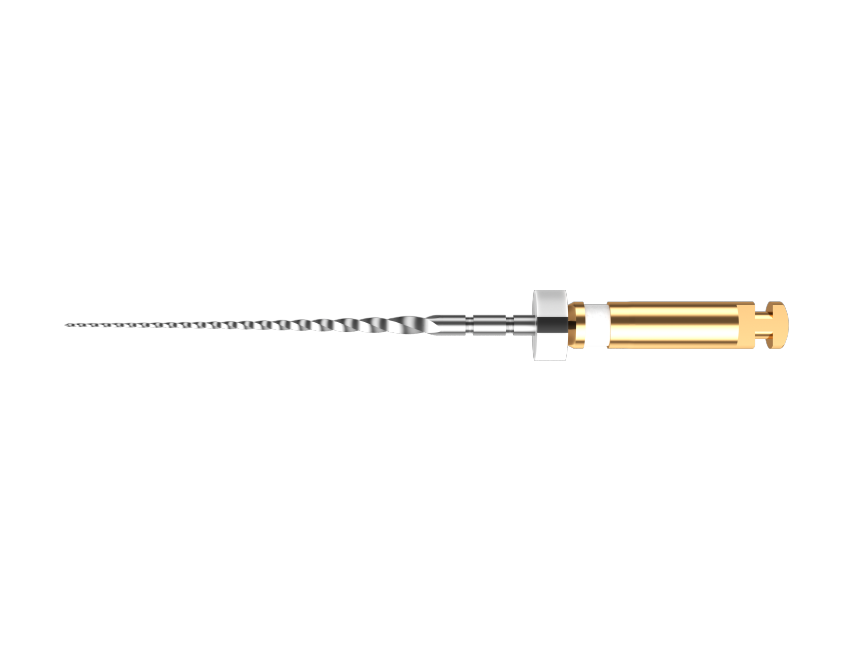
Sterilization of endodontic instruments is essential to eliminate all forms of microbial life, including bacteria, viruses, and spores. The root canal environment is particularly vulnerable to infection, which can lead to complications and treatment failure if proper hygiene practices are not observed. Each instrument used, from root canal files to reamers, must be meticulously cleaned and sterilized between uses.
There are several methods for sterilizing these instruments, and understanding them is crucial for any dental practice. Autoclaving, for instance, is one of the most common methods. This process uses high-pressure steam to kill microorganisms effectively. It is not only efficient but also widely accepted in the dental community due to its reliability. Additionally, chemical sterilization using solutions can be employed, particularly for heat-sensitive instruments. While these methods are effective, they must be used in conjunction with thorough cleaning processes to ensure that organic matter does not interfere with sterilization.
For dental professionals sourcing equipment, partnering with a trusted dental supply China provider is important to guarantee the quality and safety of instruments like the root canal file. Many dental supply China companies offer a wide range of sterilization tools and endodontic instruments designed to meet international standards, ensuring the best outcomes for patient care. Selecting reliable suppliers helps maintain high hygiene standards and supports the effective sterilization of delicate instruments.
Best Practices for Sterilization
To achieve optimal sterilization, dental professionals should adhere to a series of best practices. First, proper cleaning of instruments before sterilization is critical. This involves rinsing off any debris and soaking instruments in a cleaning solution to remove blood and tissue remnants. Once cleaned, instruments should be dried thoroughly to prevent contamination during the sterilization process.
Another best practice is to use appropriate packaging for sterilization. Instruments should be wrapped in sterile pouches or placed in trays that allow steam or chemicals to circulate effectively. This ensures that every surface of the instrument is exposed to the sterilizing agent. Moreover, it is essential to regularly monitor the sterilization process using indicators that confirm whether the required temperature and pressure were achieved.
Finally, maintaining a clean and organized workspace contributes significantly to overall hygiene. Instruments should be stored in a manner that prevents cross-contamination, and the sterilization area should be regularly cleaned and disinfected.
The Role of NIC Dental in Ensuring Quality
When discussing the sterilization of endodontic instruments, it's important to consider the quality of the tools being used. This is where NIC Dental comes into play. Known for their commitment to dental excellence, NIC Dental provides a range of root canal file and related tools designed with the utmost respect for root canal anatomy. Their products, including the MaxTech NiTi rotary endodontic files, are crafted from advanced NiTi alloy, ensuring durability and effectiveness in various procedures.
NIC Dental emphasizes the importance of creating a glide path and confirming root canal patency, which are essential steps in successful root canal therapy. By offering high-quality dental supplies from China, they contribute to the overall safety and efficacy of endodontic treatments, allowing dental professionals to focus on what matters most: patient care.
Conclusion
In conclusion, the sterilization of endodontic instruments is a critical aspect of dental practice that ensures patient safety and treatment success. Understanding the various methods of sterilization and adhering to best practices can significantly reduce the risk of infection. Additionally, utilizing high-quality tools, such as those provided by NIC Dental, enhances the overall effectiveness of dental procedures. By prioritizing hygiene and safety, dental professionals can ensure that every root canal treatment is performed with the highest standards of care.