

back

Dealing with a broken file during a root canal treatment can be a daunting experience. As a dental professional, it’s essential to understand the underlying causes and effective methods for removing these fragments safely. In this article, I’ll share insights into the science behind broken files in root canals and the steps to manage this issue effectively.
Understanding the Causes of Broken Files
A broken file in a root canal can occur due to several reasons. Root canal instruments, specifically root canal file, are designed to navigate the intricate anatomy of the tooth, but certain factors can lead to fracture. One of the primary causes is excessive torque applied during instrumentation. When a root canal file encounters a curve or a resistant area, the force exerted can exceed its strength, resulting in breakage.
Moreover, using a root canal file that is improperly sterilized or worn out can increase the likelihood of breakage. Files can also become fatigued after repeated use, making them more susceptible to failure. Understanding these causes is crucial for preventing broken files in the first place, but it’s equally important to know how to address the situation when it occurs.
Techniques for Removing Broken Files
Removing a broken root canal file from a root canal can be a complex task requiring skill and precision. One effective method is the use of ultrasonic instruments. These tools work by creating high-frequency vibrations that can help dislodge the fragment without damaging the surrounding tooth structure. It’s essential to use the right frequency and amplitude to avoid complications.
Another technique involves the use of a mass removal system, which allows for the retrieval of the broken root canal file fragment. This method often requires a detailed understanding of the root canal anatomy and careful manipulation of the tools involved. In some cases, a dentist may need to perform a small surgical procedure to access and remove the fragment safely.
Regardless of the technique employed, it’s crucial to maintain a calm and systematic approach throughout the process. Ensuring that the patient is informed and comfortable can help reduce anxiety, making the procedure smoother for everyone involved.
The Importance of Quality Tools in Root Canal Treatment
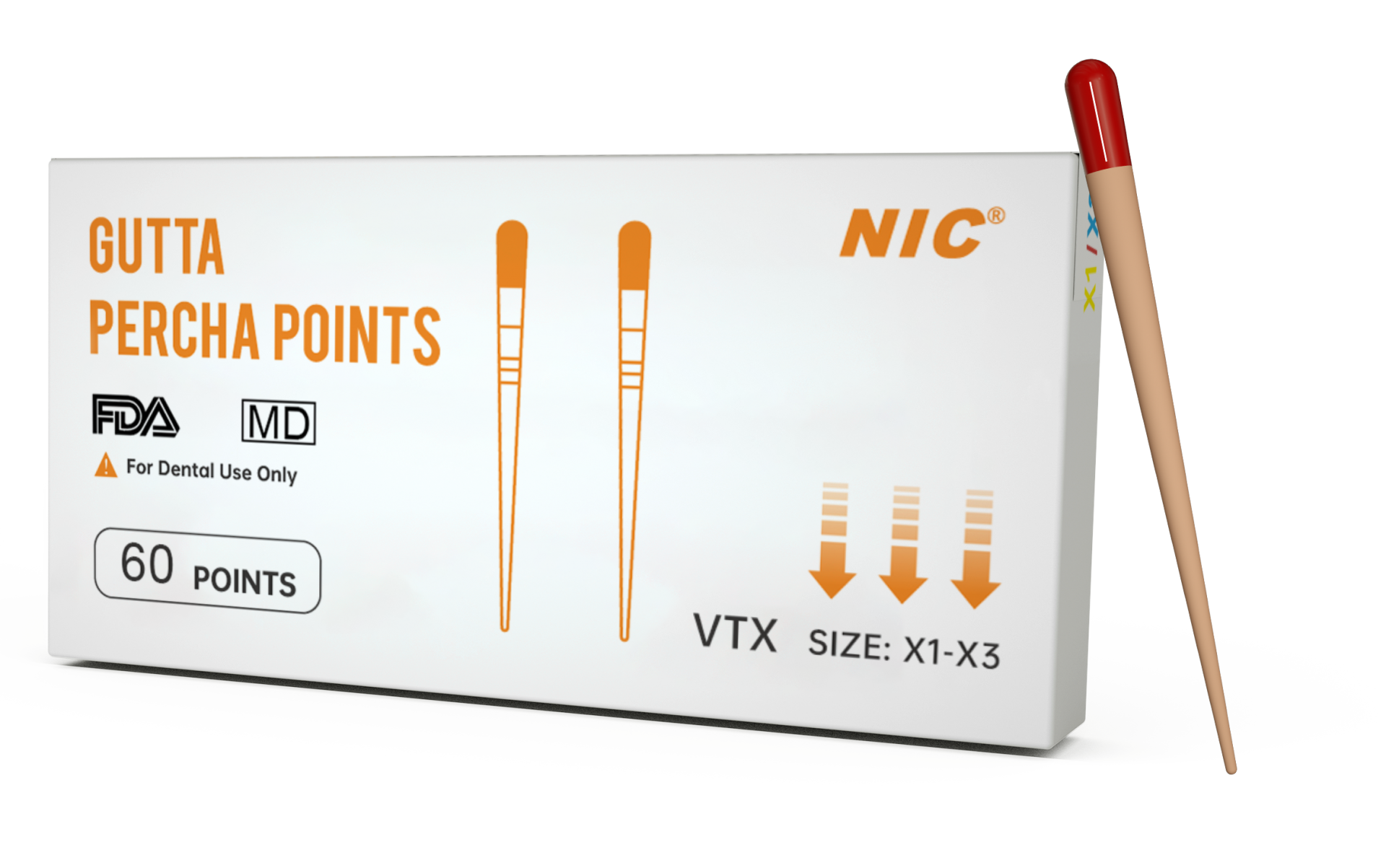
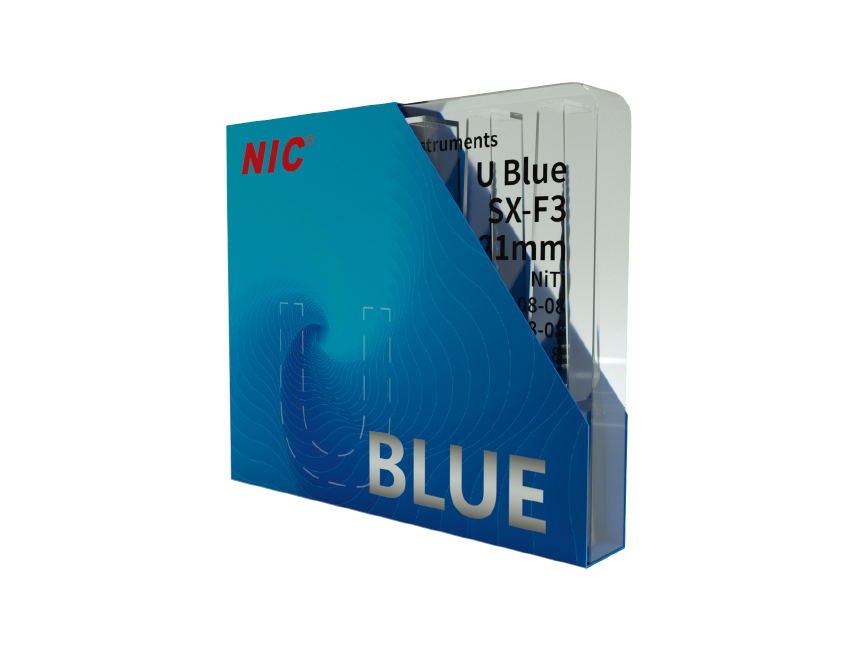
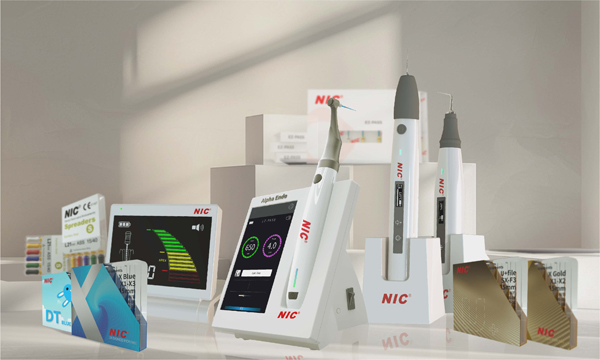
When it comes to root canal treatments, having reliable tools is paramount. NIC Dental is a trusted dental instrument manufacturer that offers a comprehensive range of products designed for effective root canal procedures. Their selection includes various types of root canal files, endo motors, dental apex locators, and gutta-percha points, making them a one-stop solution for dental professionals.
NIC Dental’s extensive range of root canal files is particularly noteworthy. Whether you need endo rotary files, reciprocating endo files, or hand-use files, NIC Dental provides quality options to suit different clinical needs. The durability and design of these root canal files ensure that they can handle the complexities of root canal anatomy, reducing the risk of breakage and improving treatment outcomes.
In a field where precision is critical, having access to high-quality tools can make a significant difference. NIC Dental’s commitment to innovation and quality ensures that dental professionals can rely on their products to deliver the best care possible.
Conclusion
Navigating the challenges of a broken root canal file during a root canal procedure requires both knowledge and skill. Understanding the causes and employing effective removal techniques are essential for successful outcomes. Furthermore, utilizing top-notch dental instruments, such as those offered by NIC Dental, can enhance the efficiency and safety of root canal treatments. With their comprehensive range of root canal files and other essential tools, dental professionals can feel confident in their ability to tackle even the most complex cases.